 English
 中文简体
中文简体 Español
 عربى
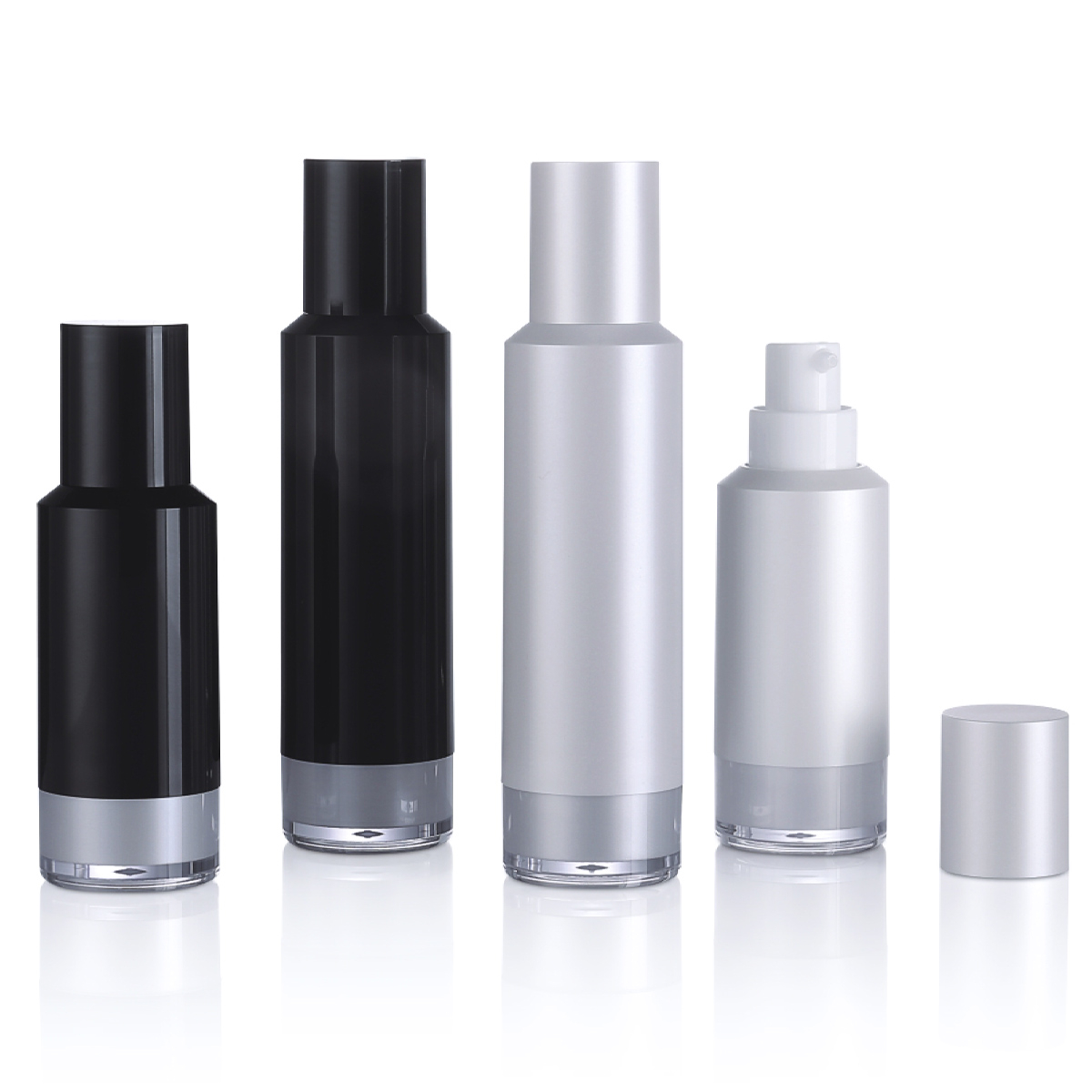
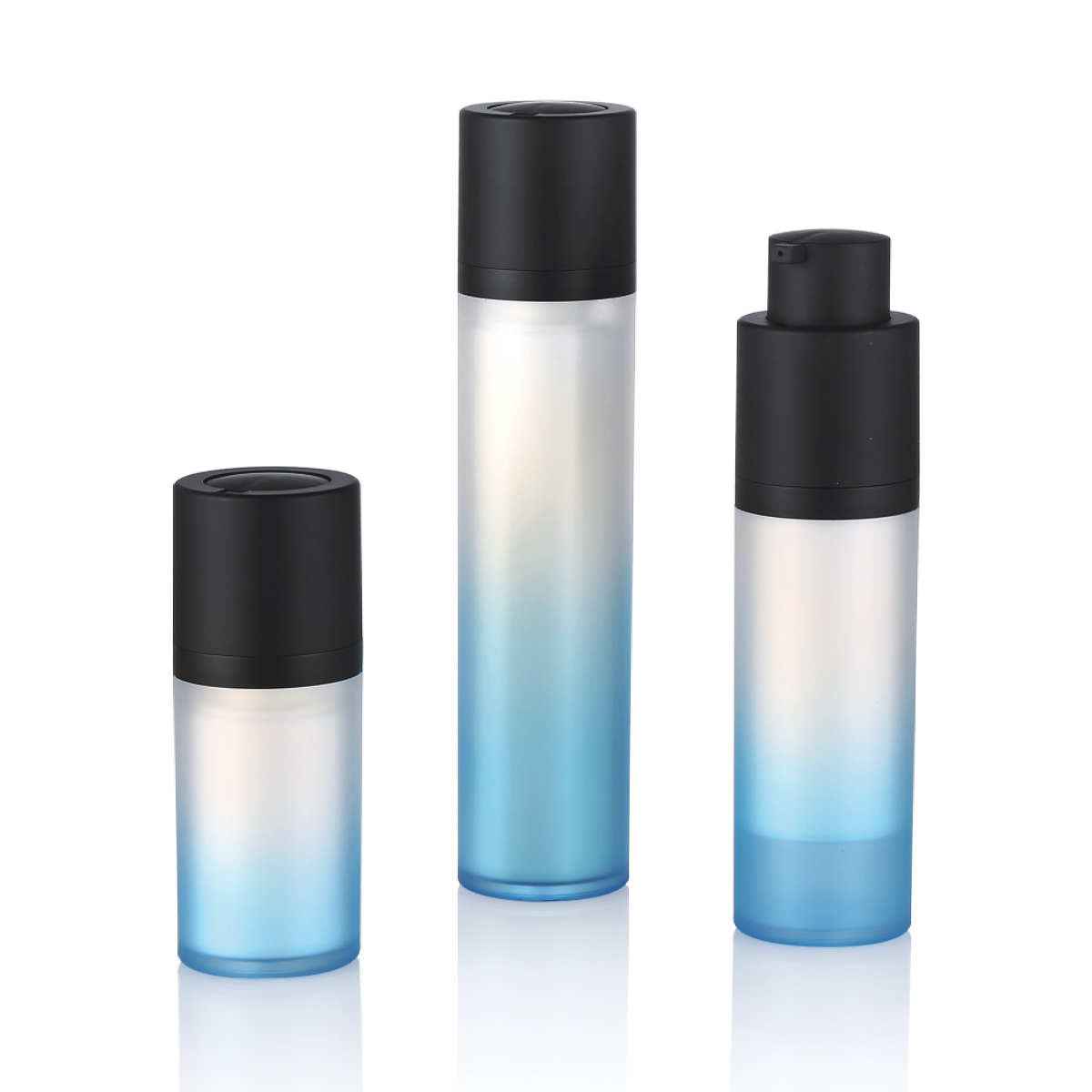
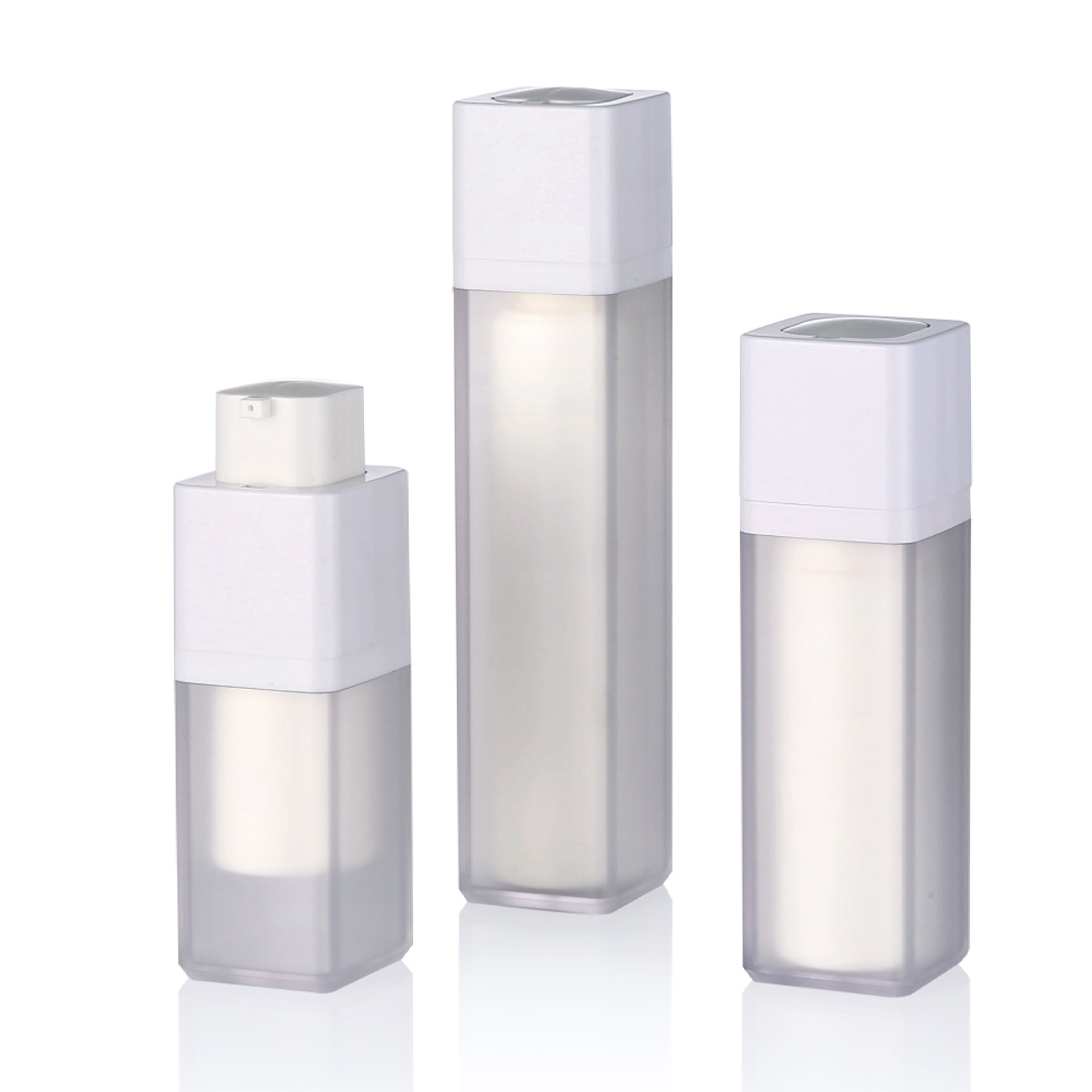
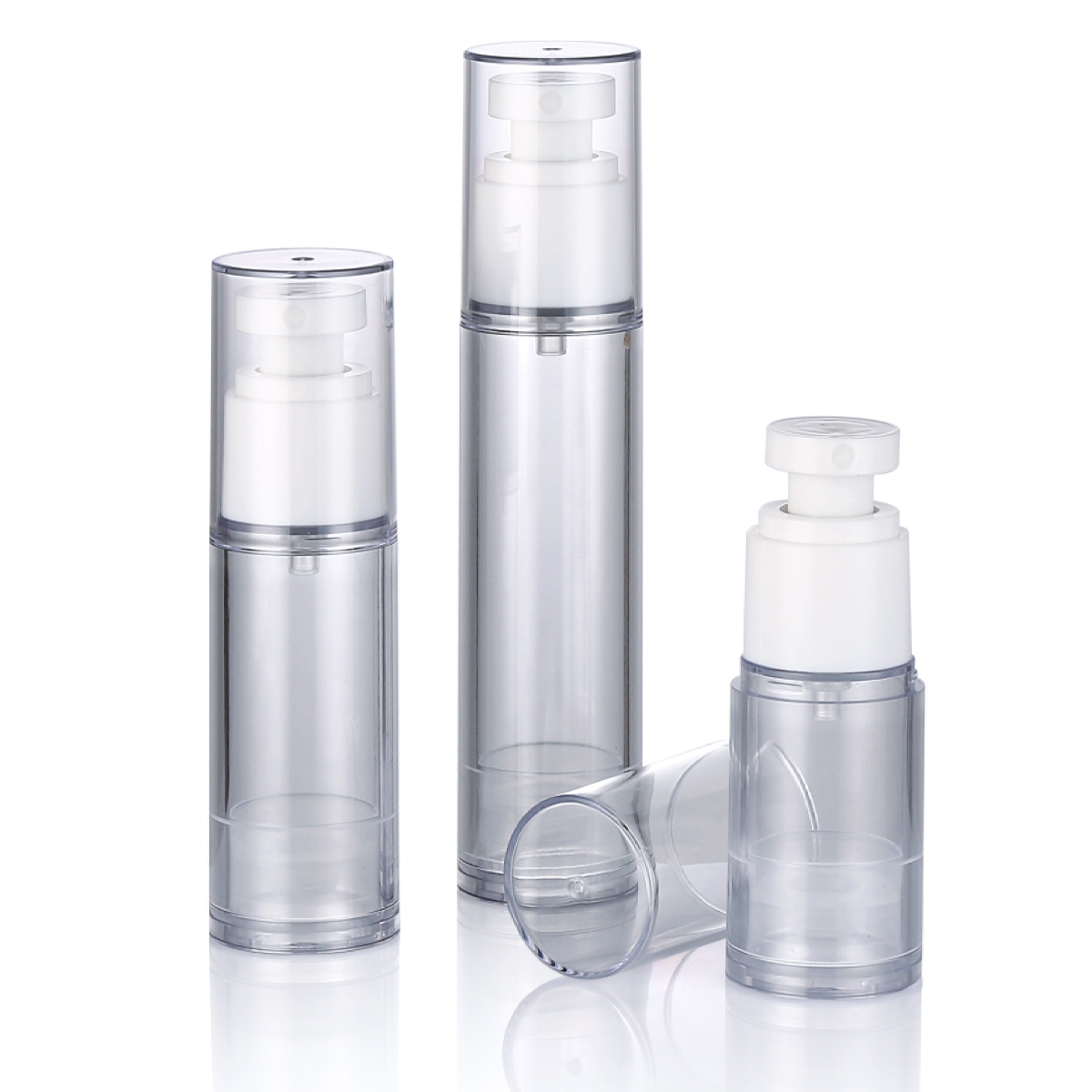
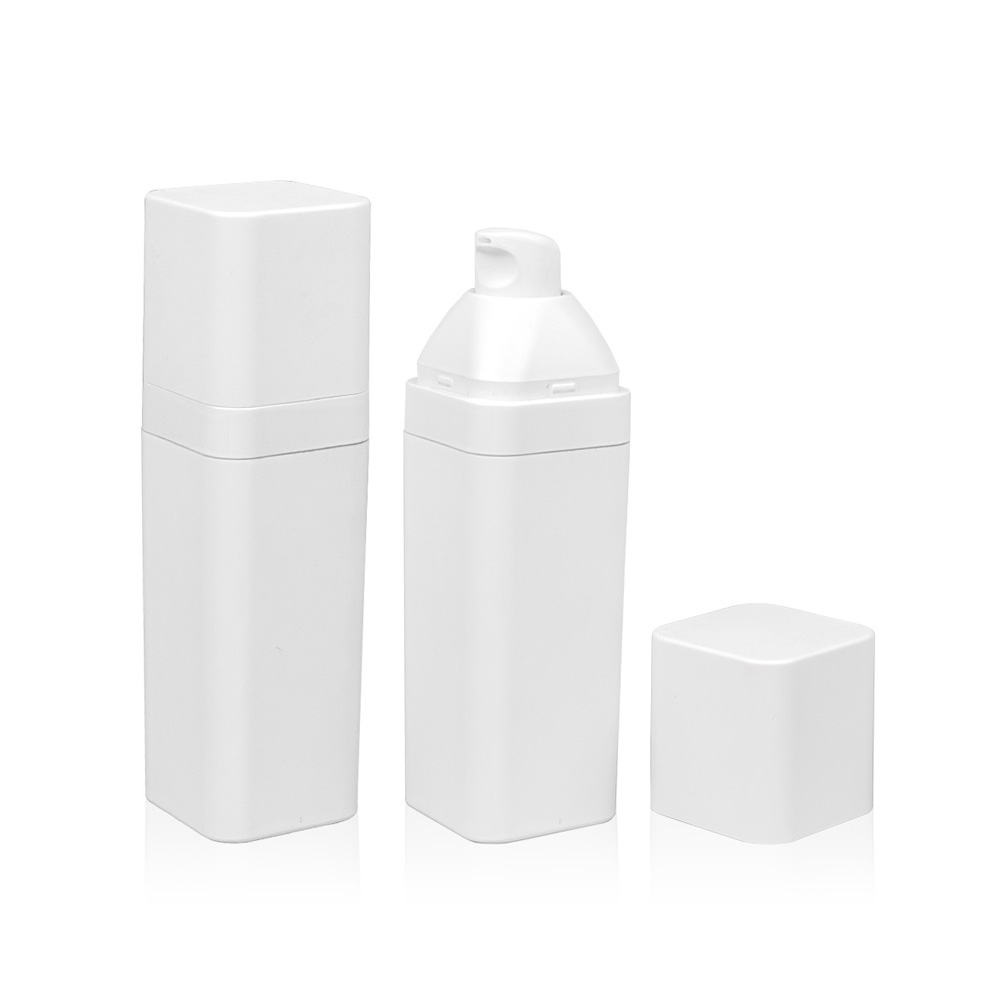
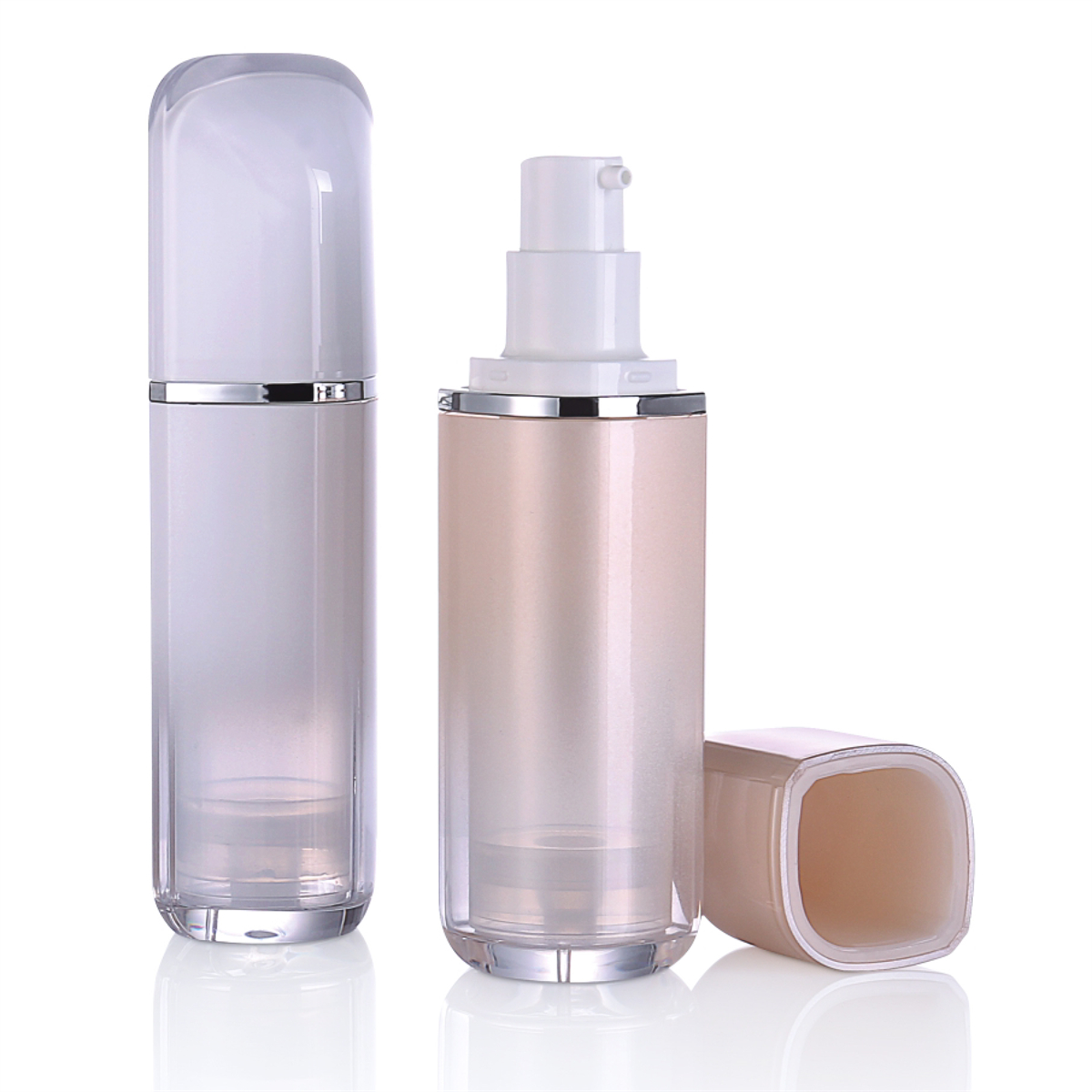
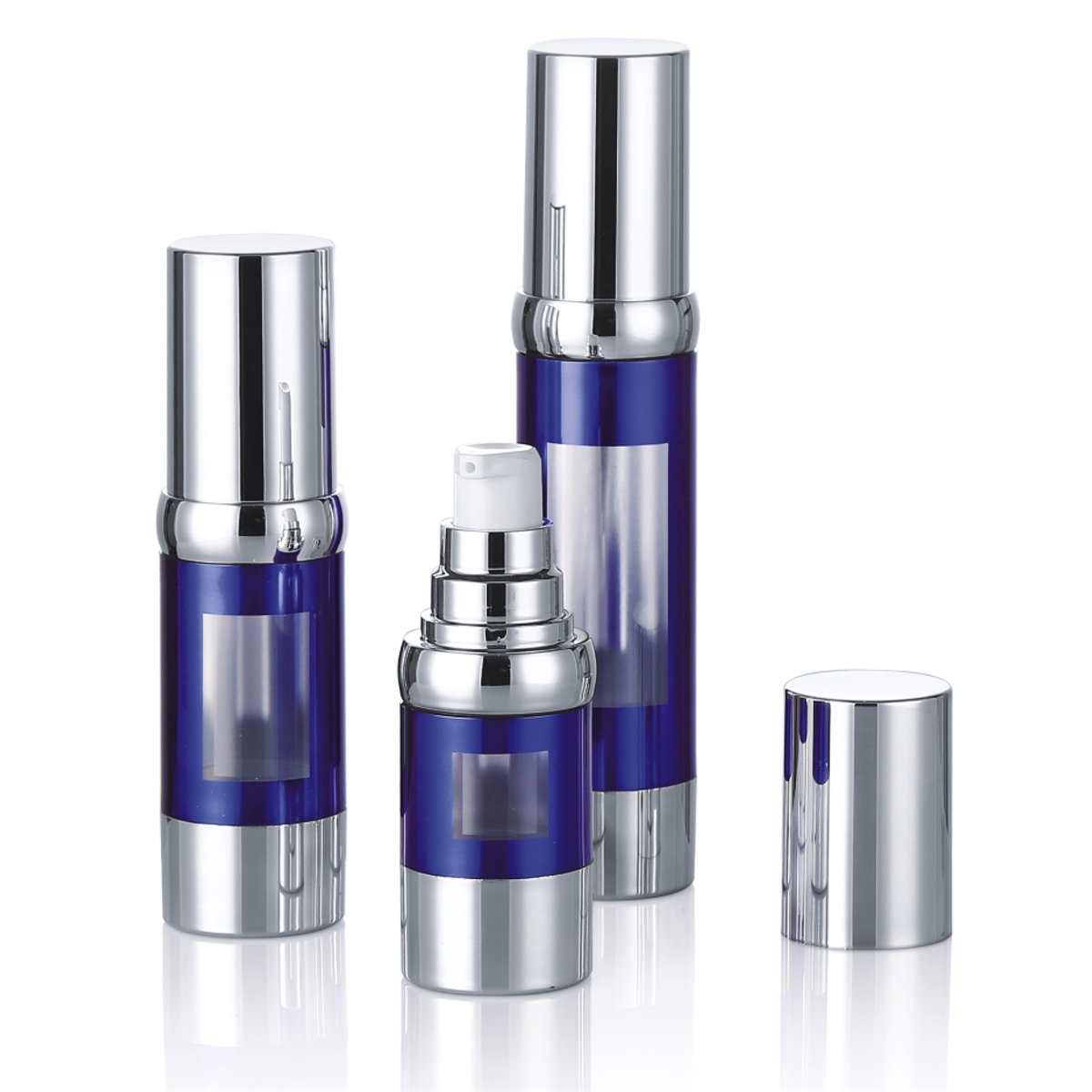
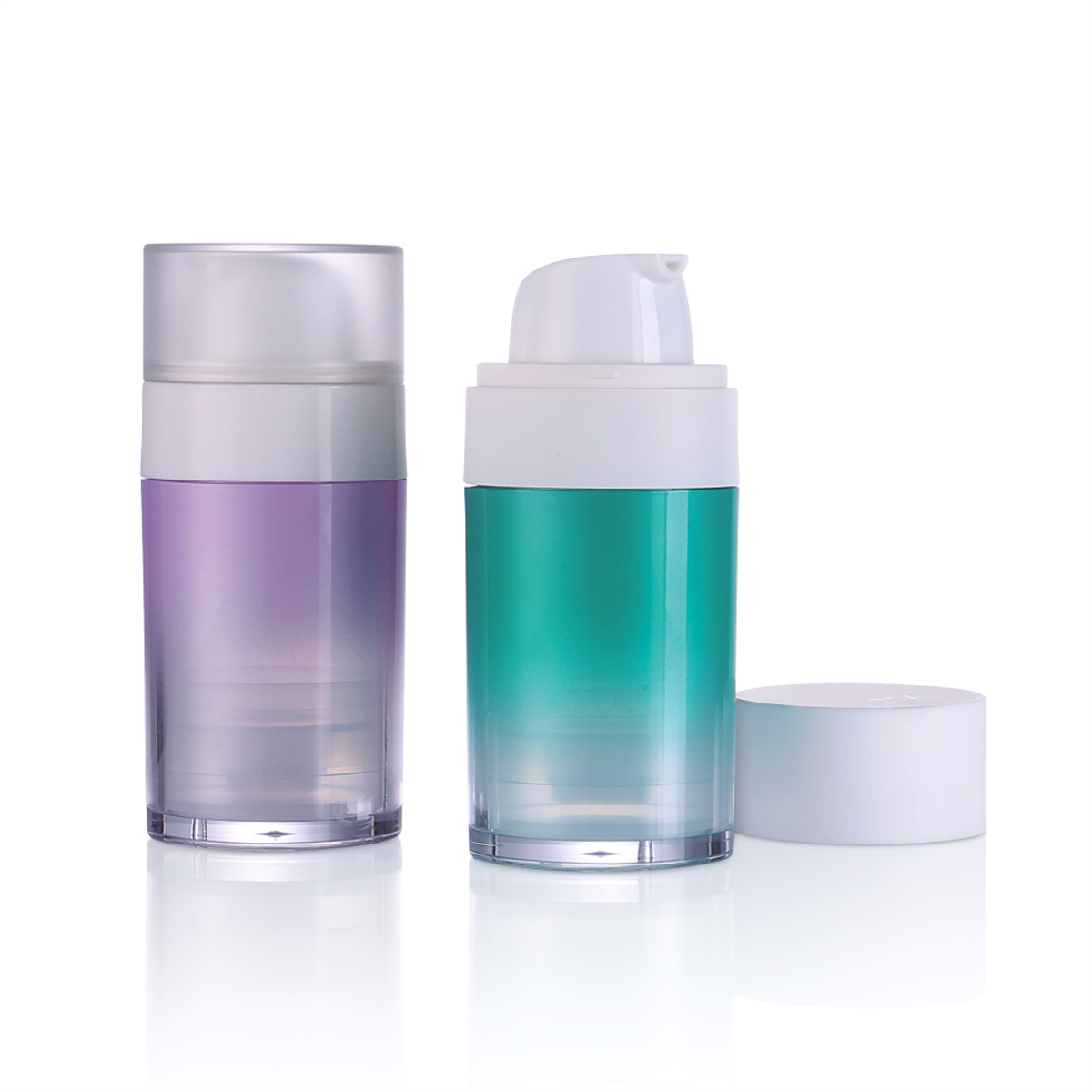
عربىIn the competitive world of cosmetics, maintaining product quality and extending shelf life are critical. One innovative solution that has gained significant attention is Airless Bottles. Unlike traditional packaging, these bottles provide superior protection against air, contamination, and oxidation, making them ideal for sensitive formulations. By integrating airless technology into cosmetic packaging, brands can deliver products that remain effective longer while offering a premium user experience.
- How Airless Bottles Work
- Advantages of Airless Bottles Over Traditional Packaging
- Comparing Airless Bottles with Other Packaging Types
- Applications of Airless Bottles in Cosmetic Formulations
- Design Considerations for Cosmetic Brands
- Frequently Asked Questions (FAQ)
- Conclusion: Elevating Cosmetic Formulations with Airless Bottles
How Airless Bottles Work
Airless Bottles operate using a vacuum pump mechanism that dispenses the product without exposing it to external air. This design significantly reduces oxidation and microbial contamination, which are primary factors in the degradation of cosmetic products. The mechanism works as follows:
- When the user presses the pump, the bottom of the bottle rises, creating a vacuum.
- The vacuum pushes the product upward through the dispensing nozzle.
- No air enters the container, preserving the integrity of active ingredients.
This simple yet effective system ensures that every drop maintains its intended potency and consistency, even after multiple uses.
Advantages of Airless Bottles Over Traditional Packaging
1. Enhanced Shelf Life
Traditional cosmetic bottles often allow air to enter with each use, accelerating oxidation and the breakdown of sensitive ingredients like vitamins C and E, retinol, or hyaluronic acid. Airless Bottles prevent this, extending the product’s shelf life by months or even years, depending on the formulation.
2. Protection Against Contamination
Open jars or bottles with standard pumps are prone to bacterial contamination, which can compromise product safety. Airless packaging eliminates direct contact with fingers and minimizes exposure to external pathogens, ensuring safer usage and maintaining product hygiene.
3. Consistent Dispensing and Reduced Waste
Airless systems allow precise control over product dispensing. Users receive a consistent amount per pump, which not only enhances user experience but also reduces product waste. Compared to traditional bottles, where excess product can remain stuck inside or accidentally be overused, Airless Bottles provide efficiency and cost-effectiveness.
4. Preservation of Active Ingredients
Cosmetic formulations often contain sensitive active ingredients such as peptides, antioxidants, and botanical extracts. Exposure to air and light can compromise these ingredients, reducing their effectiveness. By preventing air contact, Airless Bottles maintain the chemical stability of active compounds, ensuring maximum efficacy with every application.
Comparing Airless Bottles with Other Packaging Types
| Feature | Airless Bottles | Traditional Bottles & Jars |
|---|---|---|
| Air Exposure | Minimal to none | High |
| Oxidation Protection | Excellent | Poor to moderate |
| Contamination Risk | Low | High |
| Product Waste | Minimal | Significant |
| Shelf Life | Extended | Shortened |
Applications of Airless Bottles in Cosmetic Formulations
Airless Bottles are versatile and suitable for a wide range of cosmetic products, including:
- Serums containing antioxidants, peptides, or hyaluronic acid
- Moisturizers and lotions with sensitive ingredients
- Anti-aging creams that include retinol or vitamin C
- Sun protection products that require stability
- High-end makeup primers and foundations
By choosing airless packaging, brands ensure that these formulations maintain their intended performance, even under varying storage conditions.
Design Considerations for Cosmetic Brands
While Airless Bottles offer numerous benefits, selecting the right design is crucial for maximizing their advantages:
- Material: PET, acrylic, or aluminum options can influence product protection and aesthetics.
- Volume: Choose sizes that suit user habits and product types.
- Nozzle Design: Determines ease of dispensing and prevents leakage.
- Transparency: UV-protected or opaque bottles safeguard light-sensitive ingredients.
Frequently Asked Questions (FAQ)
1. Can Airless Bottles be used for all types of cosmetic products?
While Airless Bottles are suitable for most liquid, gel, and cream formulations, extremely viscous products may require specialized pump mechanisms to ensure smooth dispensing.
2. Do airless bottles really extend shelf life?
Yes. By preventing air and contamination exposure, these bottles reduce oxidation and degradation of active ingredients, significantly extending the shelf life compared to traditional packaging.
3. Are airless bottles more expensive?
Initial packaging costs may be higher, but the benefits—including reduced product waste, prolonged shelf life, and improved consumer trust—often justify the investment for cosmetic brands.
4. How should airless bottles be stored?
Airless Bottles should be stored in a cool, dry place, away from direct sunlight. While they offer excellent protection, optimal storage conditions ensure maximum preservation of sensitive ingredients.
5. Can they be refilled?
Some airless bottles are designed for refilling, although many are intended for single-use to maintain hygiene. Brands should evaluate consumer needs and product type before deciding.
Conclusion: Elevating Cosmetic Formulations with Airless Bottles
Integrating Airless Bottles into cosmetic packaging is a strategic choice that enhances product shelf life, protects sensitive ingredients, and improves user experience. The precise dispensing, reduced contamination risk, and protection against oxidation make them an ideal solution for modern formulations. Brands that prioritize quality and longevity can significantly benefit from this innovative packaging solution, ensuring products reach consumers in optimal condition and with full effectiveness.
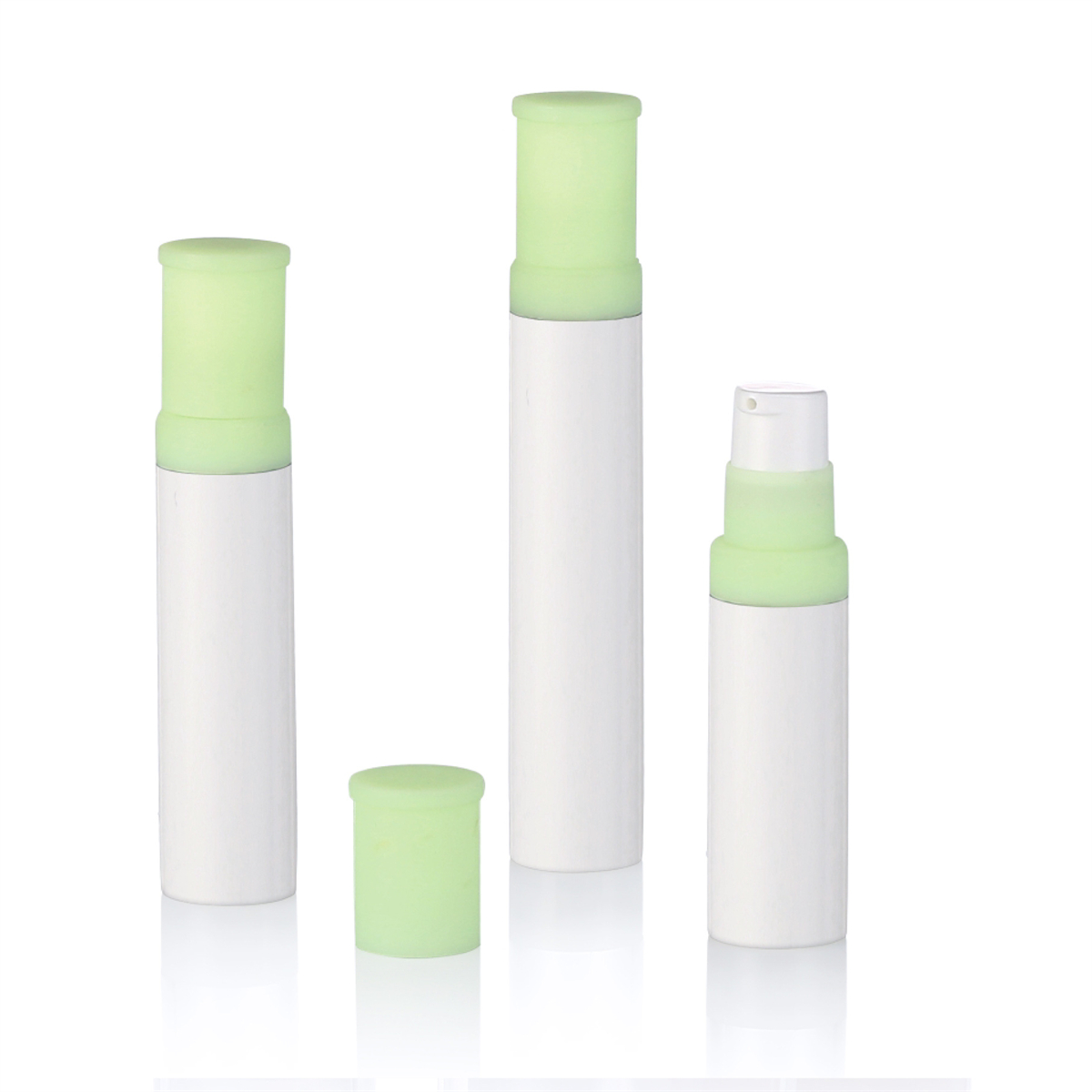
.jpg "15ml 20ml 30ml 50ml Frosted Desktop Airless Bottle PP Emulsion Bottle Spray Fine Mist Table Bottle L13")