 English
 中文简体
中文简体 Español
 عربى
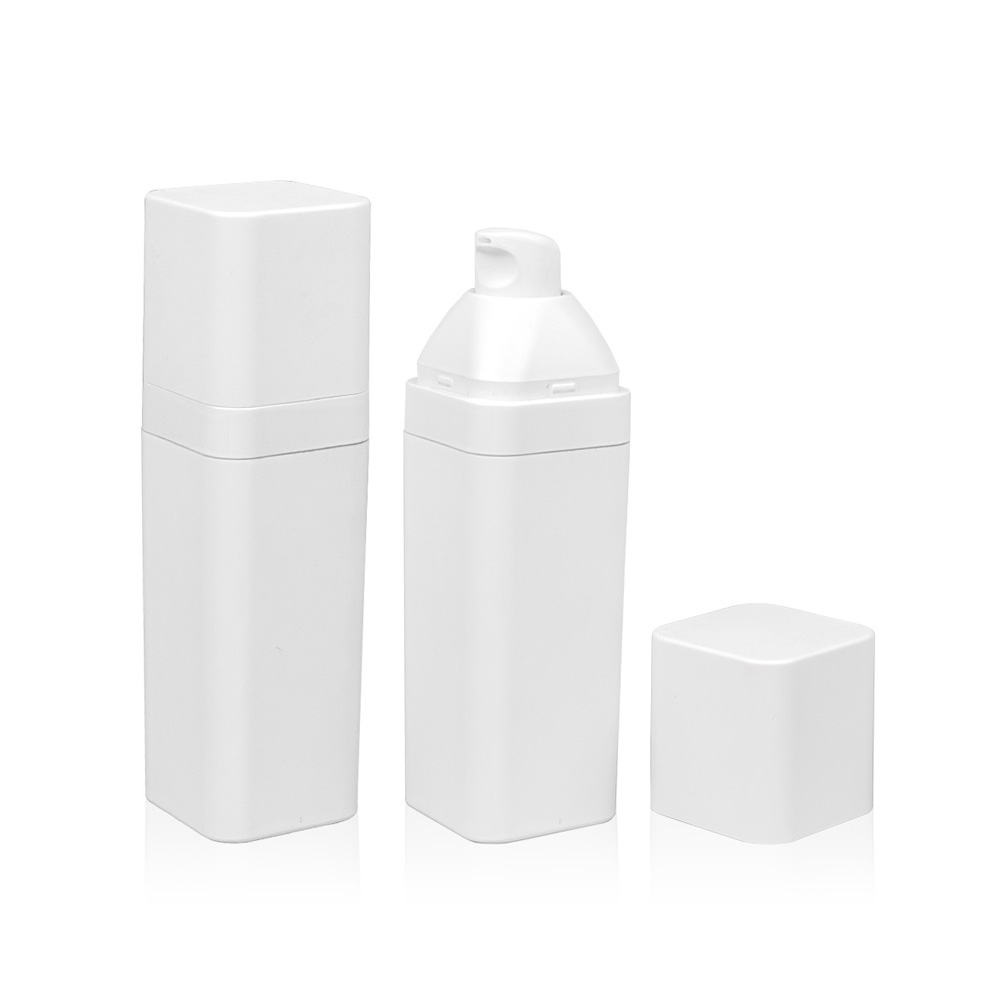
عربىIn the competitive world of skincare, packaging plays a critical role in product performance, brand perception, and customer satisfaction. One of the most innovative solutions gaining popularity among cosmetic and skincare brands is Airless Bottles. Unlike traditional packaging, airless bottles offer a range of benefits that can elevate your skincare line, improve product longevity, and enhance user experience.
- What Are Airless Bottles?
- Why Airless Bottles Outperform Traditional Packaging
- Applications of Airless Bottles in Skincare
- Material and Design Considerations
- Environmental Impact and Sustainability
- Comparing Airless Bottles With Traditional Packaging
- Cost Considerations
- FAQs About Airless Bottles
- Conclusion
What Are Airless Bottles?
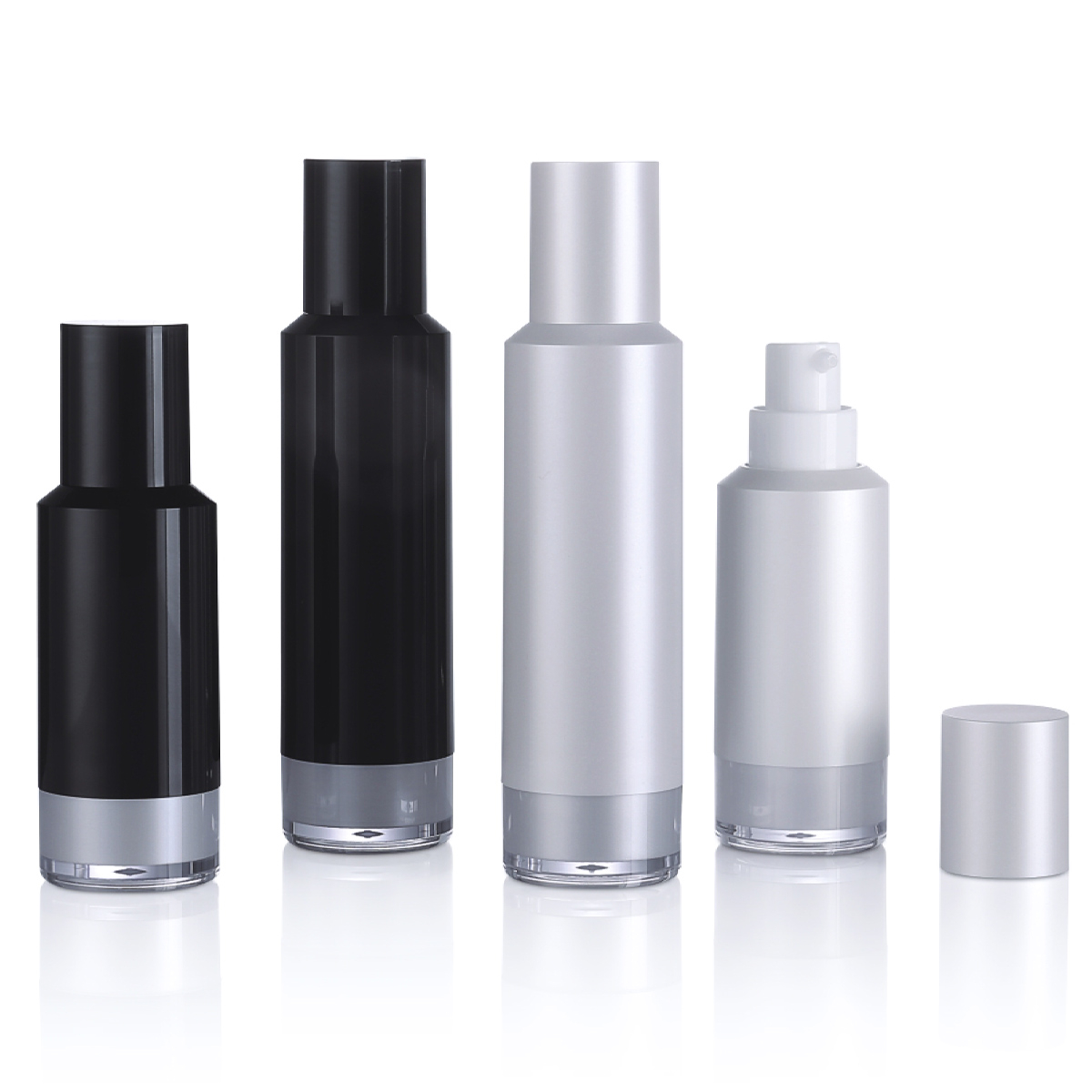
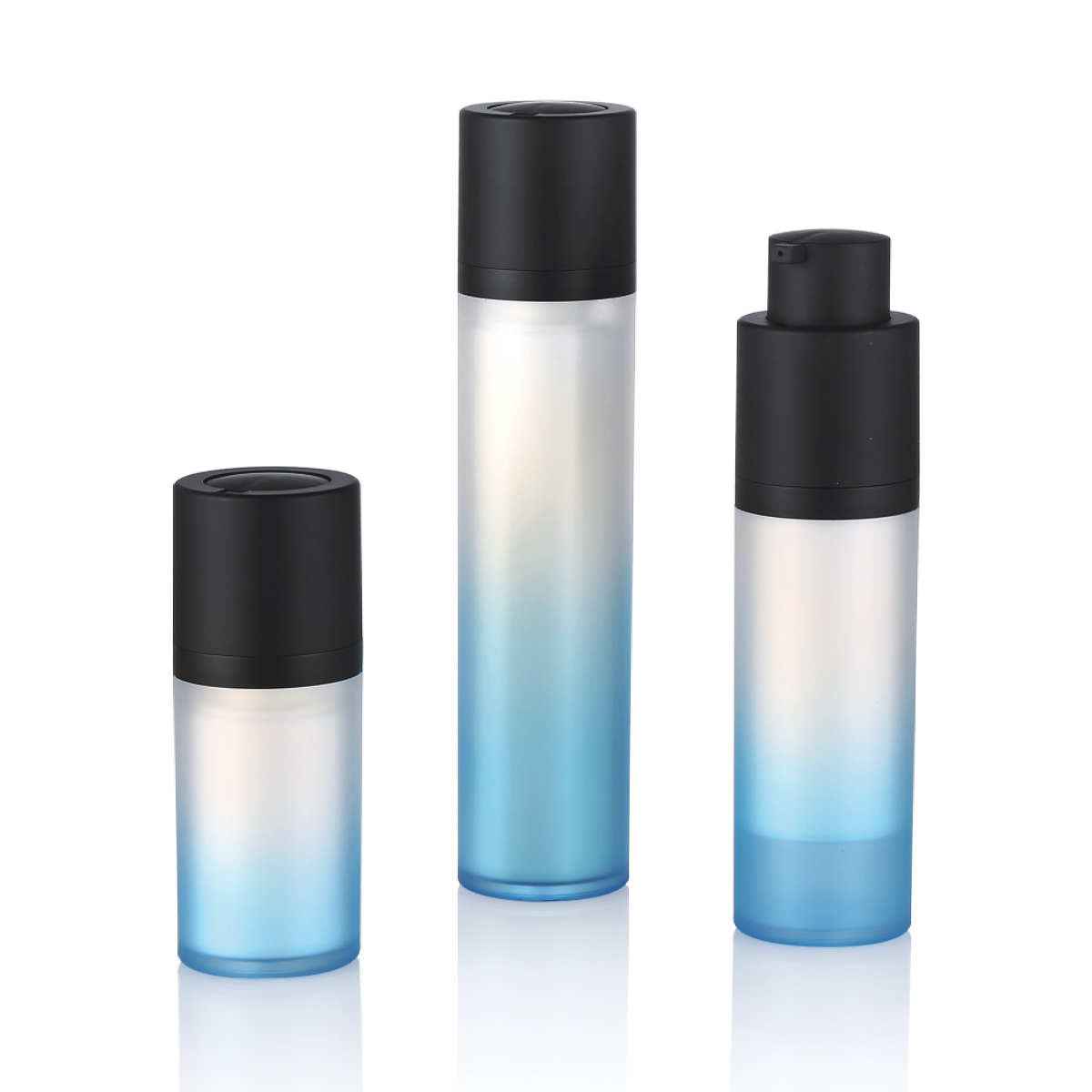
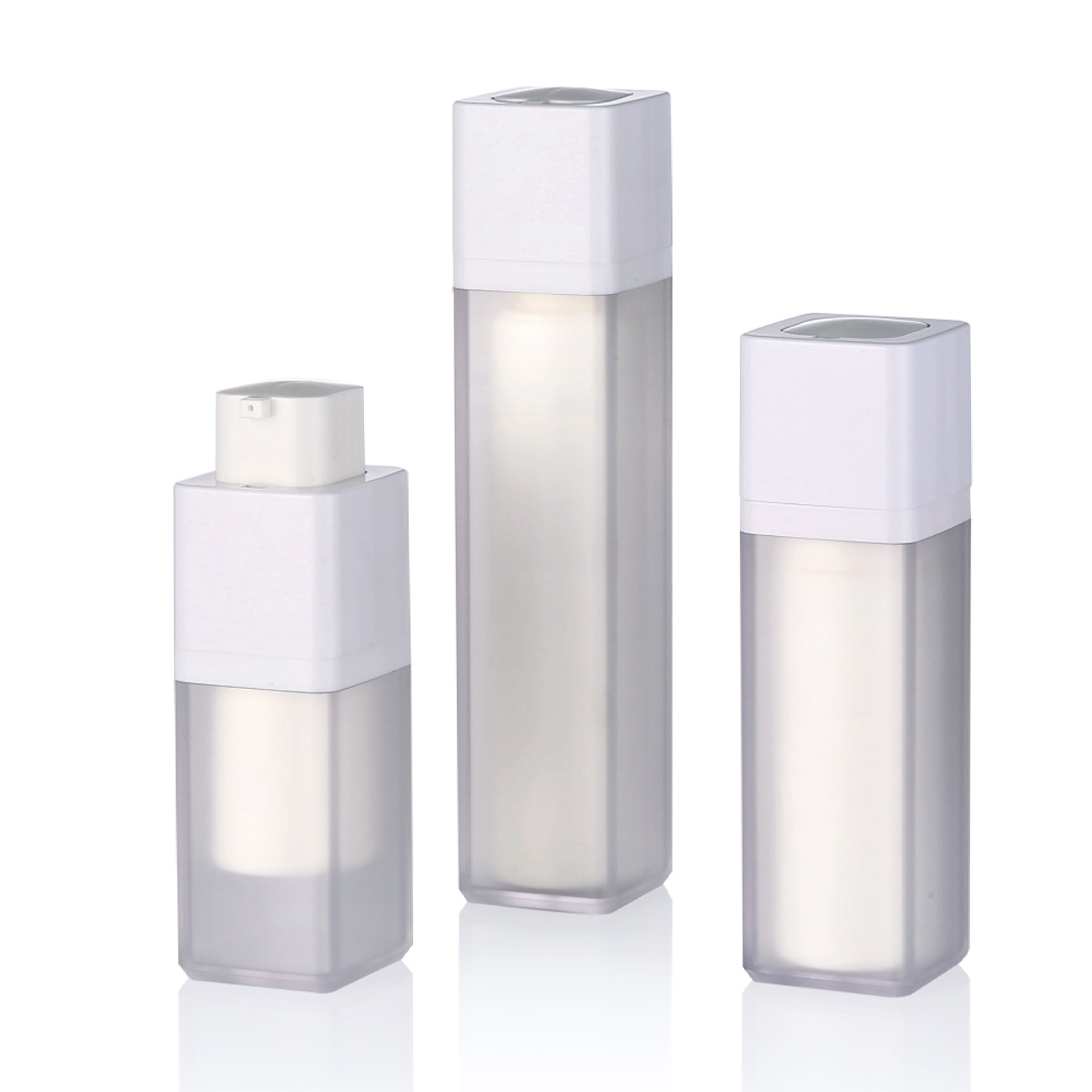
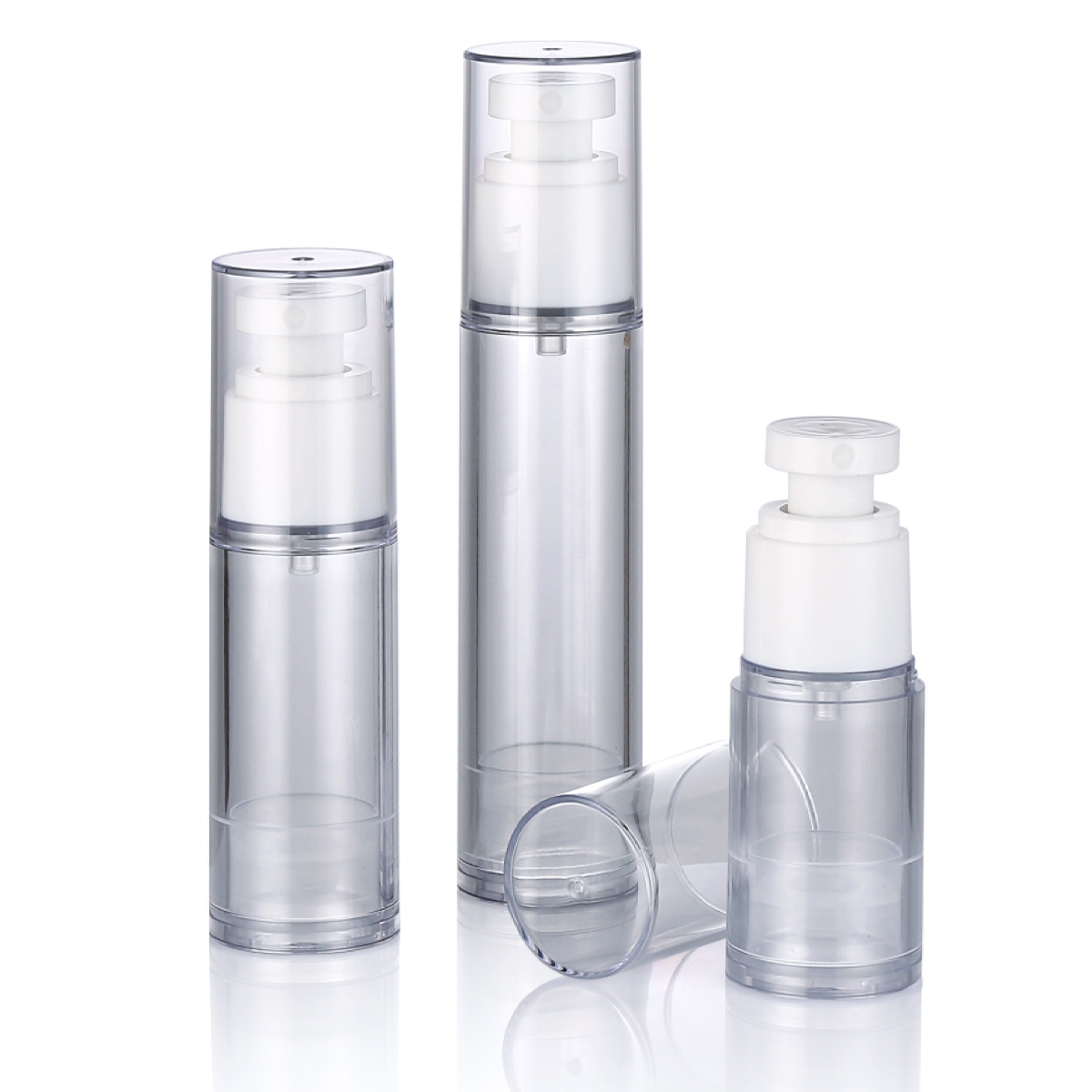
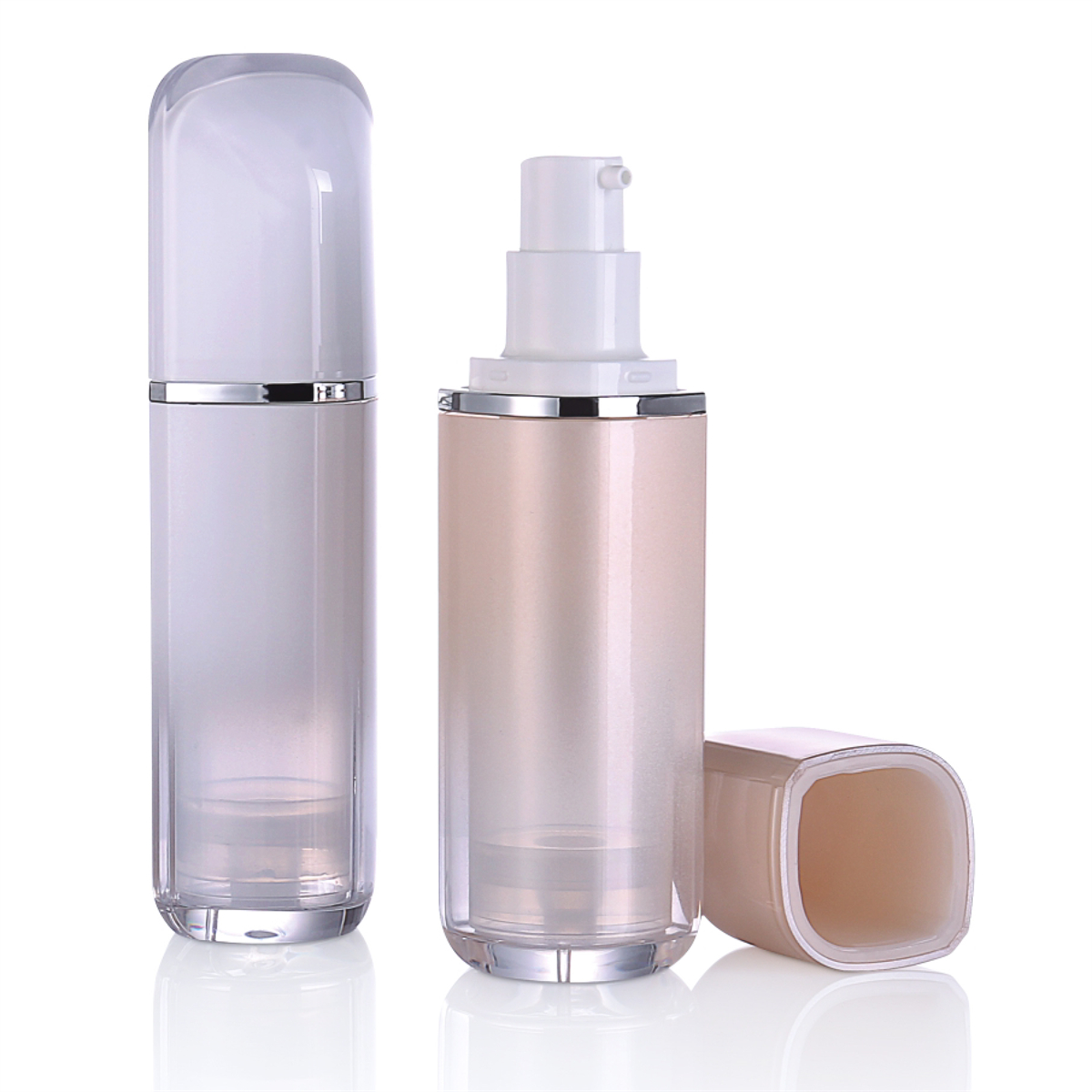
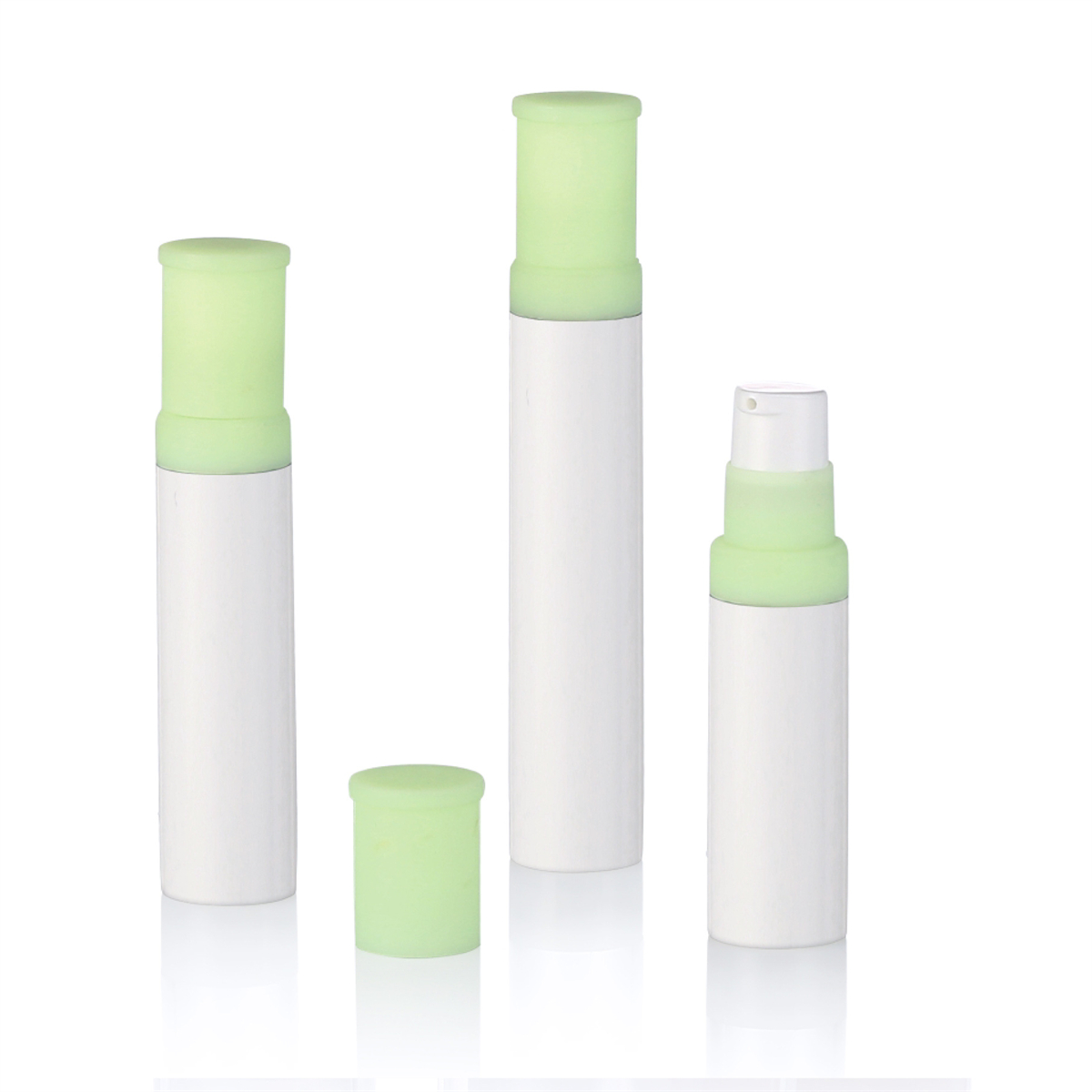
Airless Bottles are specially designed containers that prevent air from entering the product chamber. They work using a vacuum system or a piston mechanism that dispenses the product without exposing it to external air. This design minimizes contamination, oxidation, and product wastage, making them ideal for sensitive skincare formulations such as serums, creams, and anti-aging products.
Key Features of Airless Bottles
- Minimal air exposure, preserving product integrity and active ingredients.
- Precision dispensing, ensuring consistent dosage for each use.
- Reduced contamination risk, maintaining hygiene standards for high-end skincare products.
- Elegant design options, enhancing brand aesthetics.
- Compatibility with various viscosities, from lightweight serums to thick creams.
Why Airless Bottles Outperform Traditional Packaging
Switching from jars, pump bottles, or tubes to Airless Bottles can significantly improve product performance and consumer satisfaction. The following comparison highlights the advantages:
1. Preservation of Active Ingredients
Many skincare formulations contain sensitive ingredients such as vitamin C, retinol, and hyaluronic acid, which degrade when exposed to air or light. Unlike jars and standard pump bottles, Airless Bottles prevent oxygen from interacting with the formula, maintaining potency for longer periods.
2. Enhanced Hygiene
Traditional jars require the user to dip fingers into the product, introducing bacteria and contaminants. Airless bottles eliminate this need, reducing the risk of infection or product spoilage. This makes them especially suitable for anti-aging creams and serums where purity is essential.
3. Reduced Product Wastage
With jars and tubes, product residue often remains trapped, causing wastage. Airless Bottles use a piston or vacuum system that pushes out nearly every drop, ensuring customers get full value and enhancing brand credibility.
4. Improved User Experience
The smooth dispensing mechanism of airless bottles offers a luxurious, high-end experience. Customers appreciate precise dosing, ease of use, and the modern appearance that reflects a premium skincare brand.
Applications of Airless Bottles in Skincare
Airless Bottles are versatile and can be used across a wide range of skincare products:
- Serums and facial oils
- Moisturizers and anti-aging creams
- Sunscreens and SPF products
- Eye creams and targeted treatments
- Specialty formulations such as probiotics or peptides
Material and Design Considerations
Airless bottles are available in various materials and designs, each catering to different brand aesthetics and product needs:
- Plastic Airless Bottles: Lightweight, cost-effective, and compatible with most formulas.
- Glass Airless Bottles: Premium appearance, excellent chemical resistance, ideal for high-end skincare lines.
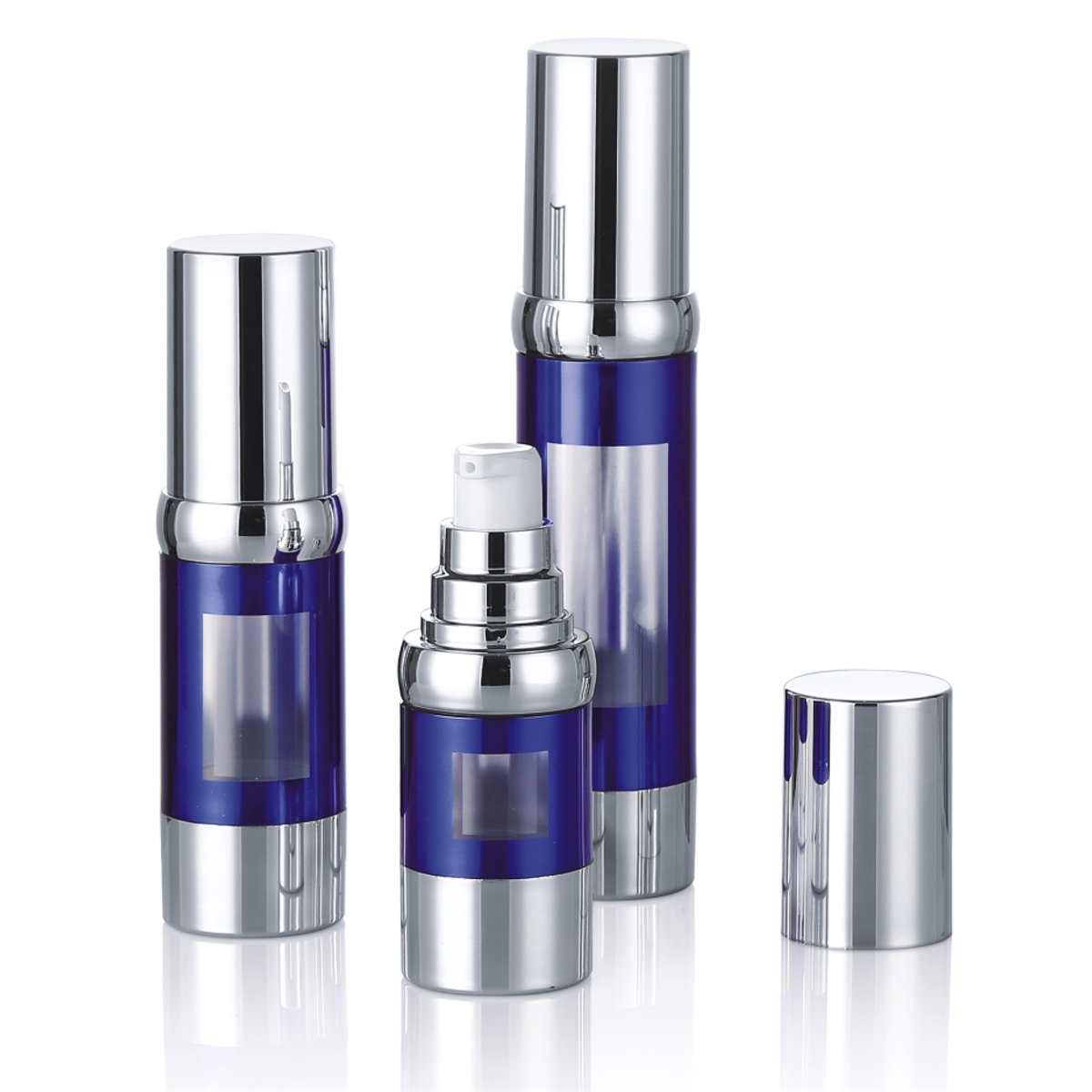
- Customizable Pumps and Caps: Options include gold, silver, or matte finishes to match brand identity.
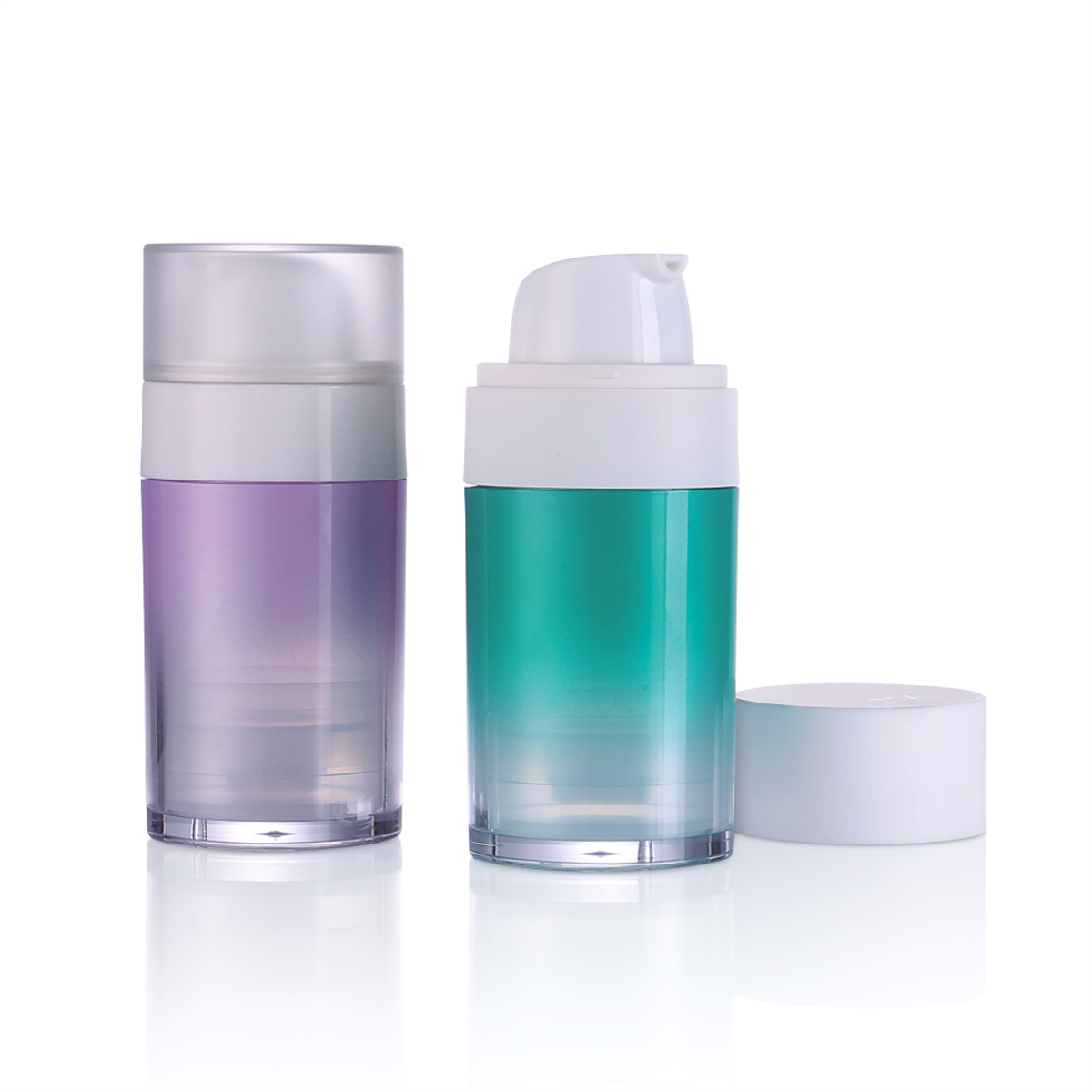
- Transparent vs. Opaque: Transparent bottles allow product visibility, while opaque bottles protect light-sensitive ingredients.
Environmental Impact and Sustainability
Many brands are seeking eco-friendly solutions. Airless bottles contribute positively in several ways:
- Reduced product wastage minimizes resource consumption.
- Refillable airless bottles support circular economy practices.
- Compatibility with recyclable plastics and glass options promotes sustainability.
Comparing Airless Bottles With Traditional Packaging
| Feature | Airless Bottles | Traditional Jars/Pump Bottles |
|---|---|---|
| Air Exposure | Minimal | High |
| Contamination Risk | Low | High |
| Product Wastage | Minimal | Moderate to High |
| Active Ingredient Stability | Preserved | Degrades Faster |
| Consumer Experience | Premium | Standard |
Cost Considerations
While airless bottles often have a higher upfront cost compared to standard packaging, the benefits often outweigh the investment:
- Longer shelf life reduces returns and complaints.
- Premium packaging supports higher pricing and brand positioning.
- Reduced wastage improves overall product value for both brand and customer.
FAQs About Airless Bottles
Q1: Can Airless Bottles handle thick creams?
Yes, airless bottles are designed to accommodate a wide range of viscosities, from lightweight serums to dense creams, ensuring smooth and consistent dispensing.
Q2: Are airless bottles recyclable?
Many airless bottles are made from recyclable plastics or glass. Additionally, refillable designs support sustainability by reducing single-use packaging waste.
Q3: Do airless bottles require special storage?
No special storage is required, but keeping them away from direct sunlight and extreme temperatures helps preserve sensitive ingredients.
Q4: Can brands customize airless bottles?
Absolutely. Airless bottles can be customized in terms of color, finish, labeling, and pump design, allowing brands to create a unique and premium look.
Q5: Are airless bottles suitable for travel?
Yes, most airless bottles are leak-proof and travel-friendly, making them convenient for consumers on the go.
Conclusion
Switching to Airless Bottles offers tangible benefits for skincare brands, from protecting active ingredients and reducing contamination to enhancing user experience and minimizing wastage. By investing in innovative packaging, brands can not only maintain the efficacy of their products but also strengthen their market position and appeal to modern, eco-conscious consumers. The shift to airless technology is not just a packaging upgrade—it’s a strategic move to future-proof your skincare line.
.jpg "15ml 20ml 30ml 50ml Frosted Desktop Airless Bottle PP Emulsion Bottle Spray Fine Mist Table Bottle L13")