 English
 中文简体
中文简体 Español
 عربى
عربىAs consumers become more aware of product quality, stability, and safety, packaging has evolved from a simple container into a critical component of product performance. In industries such as cosmetics, skincare, pharmaceuticals, and even food supplements, protecting sensitive ingredients from degradation is a top priority. One packaging solution has gained significant attention for this very reason: the Airless Bottle.
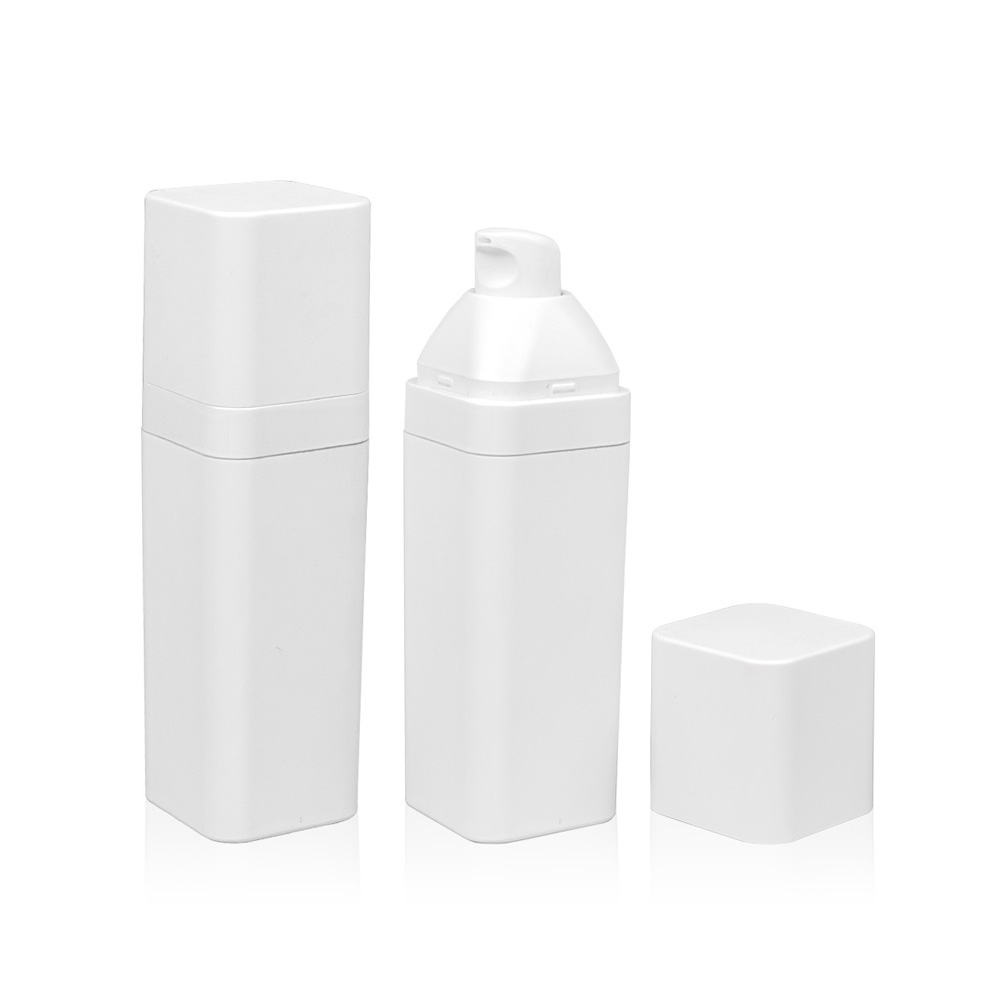
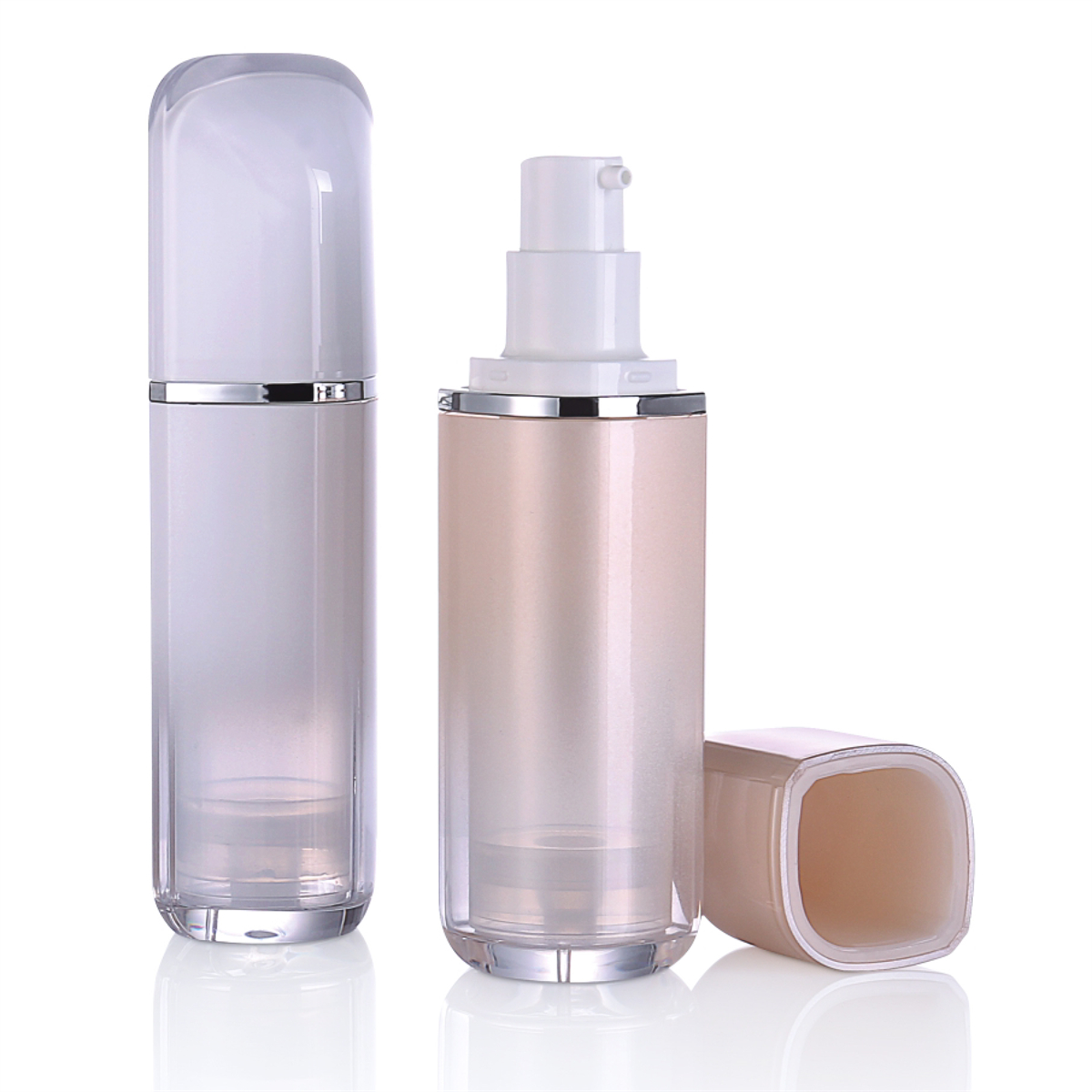
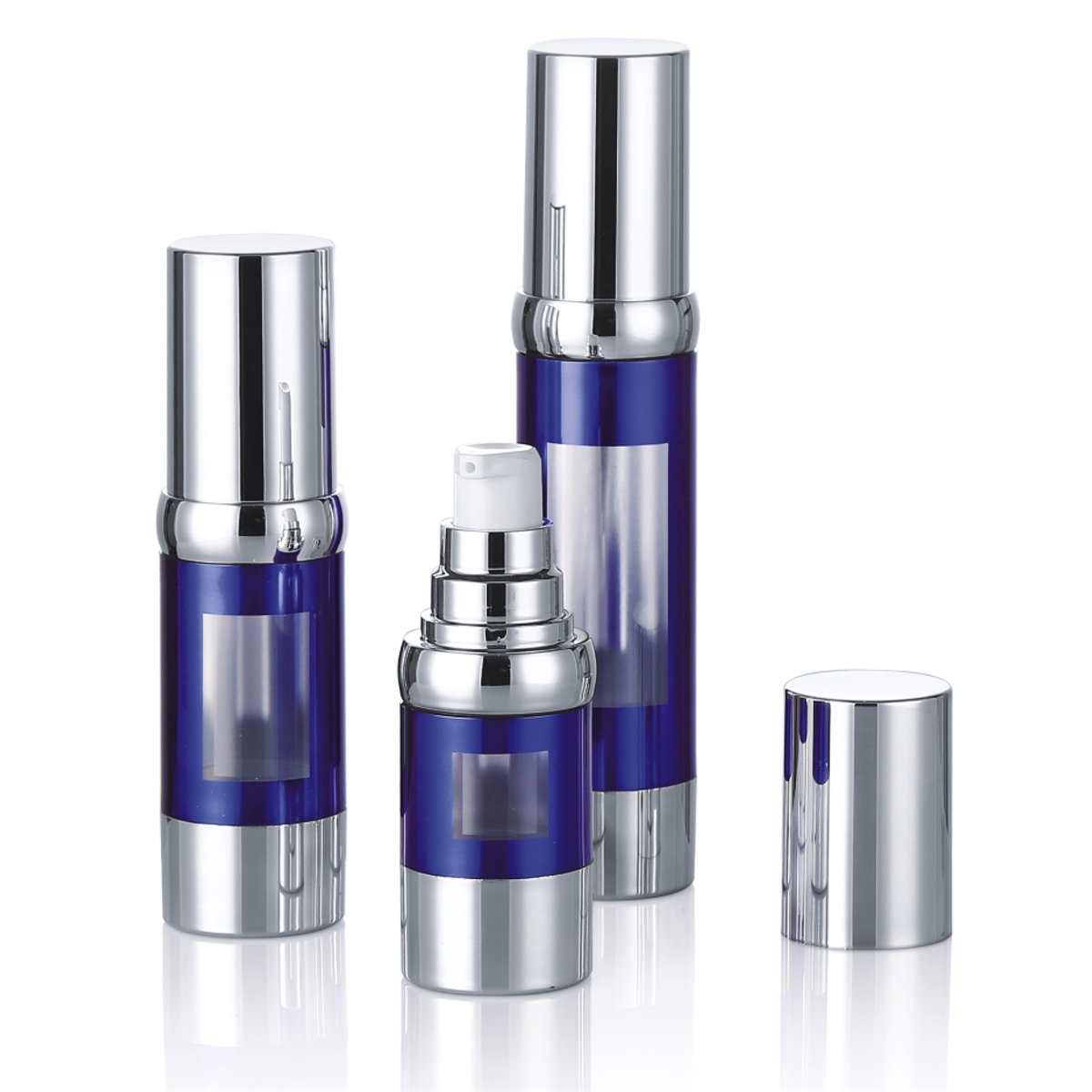
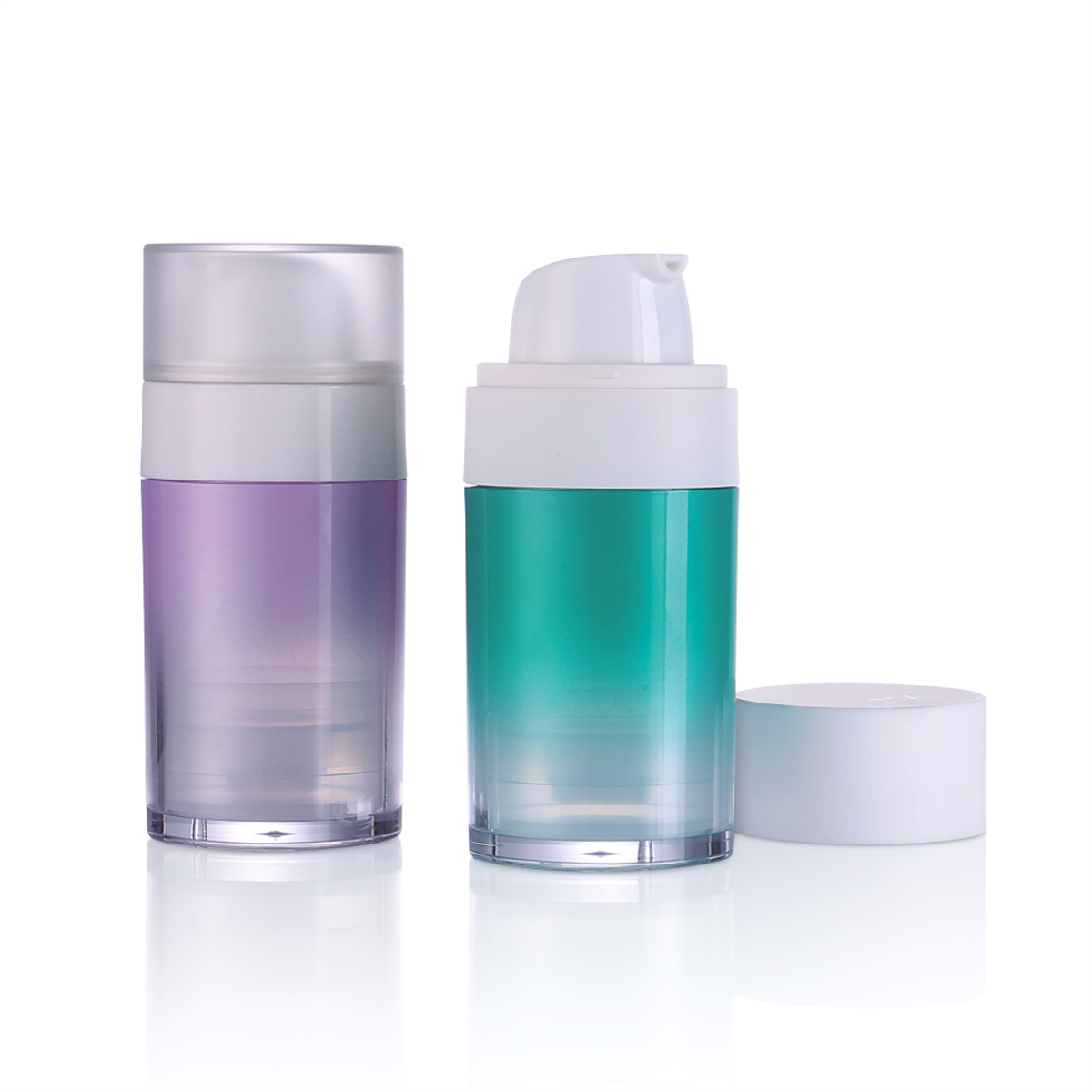
An Airless Bottle is specifically designed to minimize exposure to air and light, two major factors that can compromise product efficacy. By using advanced dispensing mechanisms and protective materials, this type of packaging ensures that formulations remain fresh, stable, and effective from the first use to the last.
- Why Air and Light Are Enemies of Sensitive Ingredients
- What Is an Airless Bottle?
- How an Airless Bottle Prevents Air Exposure
- How an Airless Bottle Reduces Light Exposure
- Comparison: Airless Bottle vs Traditional Packaging
- Benefits of Using an Airless Bottle for Sensitive Formulations
- Industries That Rely on Airless Bottles
- Environmental Considerations and Sustainability
- Frequently Asked Questions (FAQ)
- The Growing Role of Airless Bottle Technology
Why Air and Light Are Enemies of Sensitive Ingredients
Before understanding how an Airless Bottle works, it is important to recognize why air and light pose such a serious threat to many formulations.
Oxidation Caused by Air Exposure
When a product comes into contact with oxygen, oxidation occurs. This chemical reaction can:
- Reduce the potency of active ingredients
- Change color, texture, or scent
- Shorten overall shelf life
- Increase the need for preservatives
Ingredients such as vitamin C, retinol, peptides, essential oils, and botanical extracts are particularly vulnerable to oxidation.
Photodegradation Triggered by Light
Exposure to light—especially UV light—can break down molecular structures in sensitive ingredients. This process, known as photodegradation, may result in:
- Loss of product effectiveness
- Unstable formulations
- Potential irritation for end users
Traditional transparent or open packaging offers little defense against these damaging factors.
What Is an Airless Bottle?
An Airless Bottle is a non-pressurized dispensing system that prevents air from entering the container during use. Instead of relying on a traditional dip tube, it uses a vacuum or piston mechanism to push the product upward.
This design ensures that:
- Air does not replace the dispensed product
- Light exposure is significantly reduced
- Contamination from repeated use is minimized
How an Airless Bottle Prevents Air Exposure
Vacuum Pump Technology
At the core of an Airless Bottle is its vacuum-based pump system. Each time the pump is pressed, the internal piston moves upward, delivering product without drawing air inside.
Unlike traditional pump bottles, where air enters the container to replace the dispensed product, airless systems maintain a sealed environment throughout the product’s lifecycle.
No Dip Tube, No Backflow
Standard bottles use a dip tube that extends into the product. This design allows air to travel back into the container, accelerating oxidation. An Airless Bottle eliminates this issue by removing the dip tube entirely.
With no backflow of air, sensitive ingredients remain isolated from oxygen.
Consistent Internal Pressure
The internal pressure within an Airless Bottle remains stable as the product is dispensed. This consistency helps preserve formulation integrity and ensures smooth, controlled dispensing.
How an Airless Bottle Reduces Light Exposure
Opaque and UV-Resistant Materials
Most Airless Bottles are made from opaque plastics or coated materials that block or filter light. Some designs also include UV-resistant layers to provide additional protection.
This shielding is especially important for light-sensitive ingredients such as:
- Vitamin A derivatives
- Natural plant extracts
- Active pharmaceutical compounds
Minimal Product Surface Area
In traditional jars or bottles, a large surface area of the product is exposed to light each time the container is opened. An Airless Bottle dispenses product through a small, controlled opening, significantly reducing exposure.
Comparison: Airless Bottle vs Traditional Packaging
| Feature | Airless Bottle | Traditional Pump or Jar |
|---|---|---|
| Air Exposure | Minimal to none | High |
| Light Protection | Strong (opaque design) | Limited |
| Contamination Risk | Very low | Moderate to high |
| Product Utilization | Up to 95% | 70–80% |
| Preservative Requirement | Lower | Higher |
Benefits of Using an Airless Bottle for Sensitive Formulations
Extended Shelf Life
By limiting exposure to air and light, an Airless Bottle significantly slows down degradation processes. Products maintain their original performance for longer periods.
Improved Ingredient Stability
Formulators can rely on airless packaging to protect delicate active ingredients, reducing the need for excessive stabilizers or preservatives.
Enhanced Consumer Safety
Lower contamination risk means fewer bacteria and microbes enter the product during use, making Airless Bottles ideal for sensitive skin and pharmaceutical applications.
Efficient Product Dispensing
The piston system allows nearly complete evacuation of the contents, minimizing waste and increasing perceived value.
Industries That Rely on Airless Bottles
- Skincare and Cosmetics: Serums, creams, lotions, foundations
- Pharmaceuticals: Topical medications, gels, and ointments
- Cosmeceuticals: High-potency active formulations
- Nutraceuticals: Liquid supplements and concentrates
Environmental Considerations and Sustainability
Modern Airless Bottles are increasingly designed with sustainability in mind. Manufacturers now offer:
- Mono-material constructions for easier recycling
- Refillable airless systems
- Reduced preservative use, lowering chemical impact
By extending product shelf life and reducing waste, airless packaging contributes to more sustainable consumption.
Frequently Asked Questions (FAQ)
Does an Airless Bottle completely eliminate air exposure?
While no system can guarantee absolute zero exposure, an Airless Bottle reduces air contact to a negligible level compared to traditional packaging.
Are Airless Bottles suitable for thick or viscous products?
Yes. Airless systems are available in different pump strengths and piston designs to accommodate thick creams, gels, and emulsions.
Do Airless Bottles require preservatives?
Preservatives are still recommended, but often in lower concentrations due to reduced contamination and oxidation risks.
Can light still affect products inside an Airless Bottle?
High-quality airless packaging uses opaque or UV-resistant materials that significantly limit light penetration.
Are Airless Bottles more expensive than traditional packaging?
Initial costs may be higher, but improved product stability, reduced waste, and enhanced brand perception often offset the investment.
The Growing Role of Airless Bottle Technology
As formulations become more sophisticated and ingredient transparency gains importance, packaging must evolve accordingly. The Airless Bottle stands out as a reliable solution for preserving sensitive ingredients, protecting product integrity, and delivering consistent performance.
By effectively shielding formulations from air and light, airless technology supports higher-quality products, longer shelf life, and a better user experience—making it an essential packaging choice in today’s competitive market.
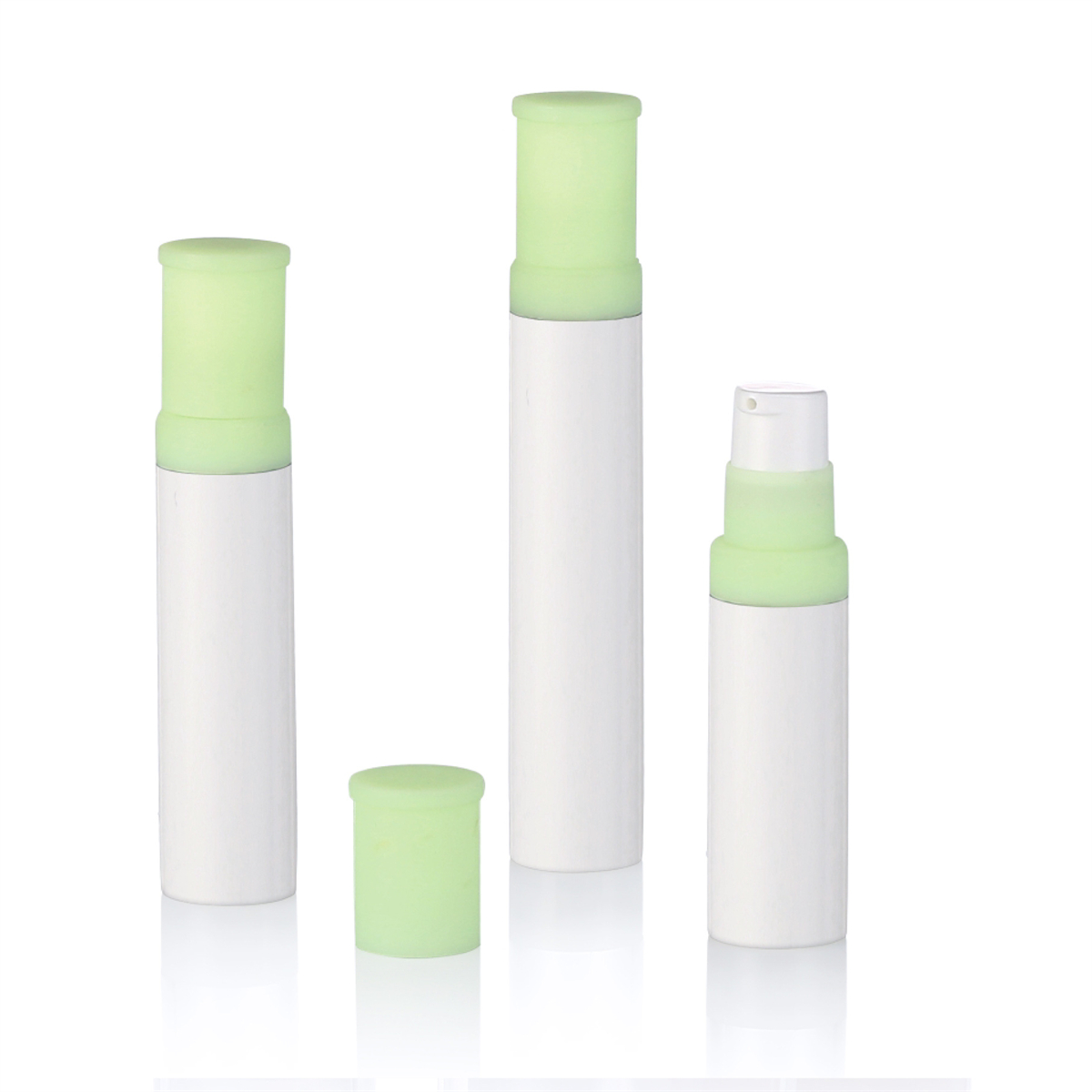
.jpg "15ml 20ml 30ml 50ml Frosted Desktop Airless Bottle PP Emulsion Bottle Spray Fine Mist Table Bottle L13")