 English
 中文简体
中文简体 Español
 عربى
عربىIntroduction to Airless Bottles
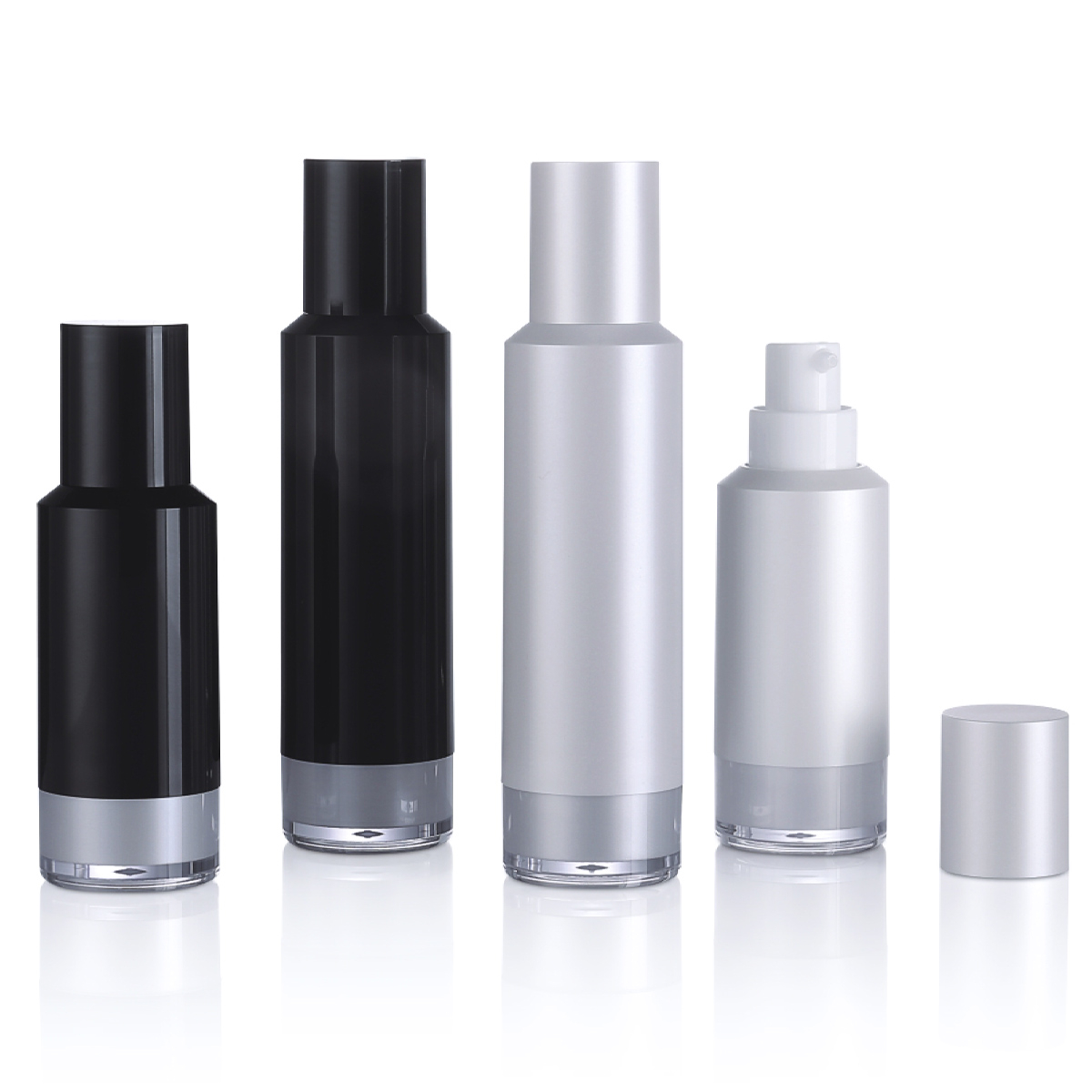
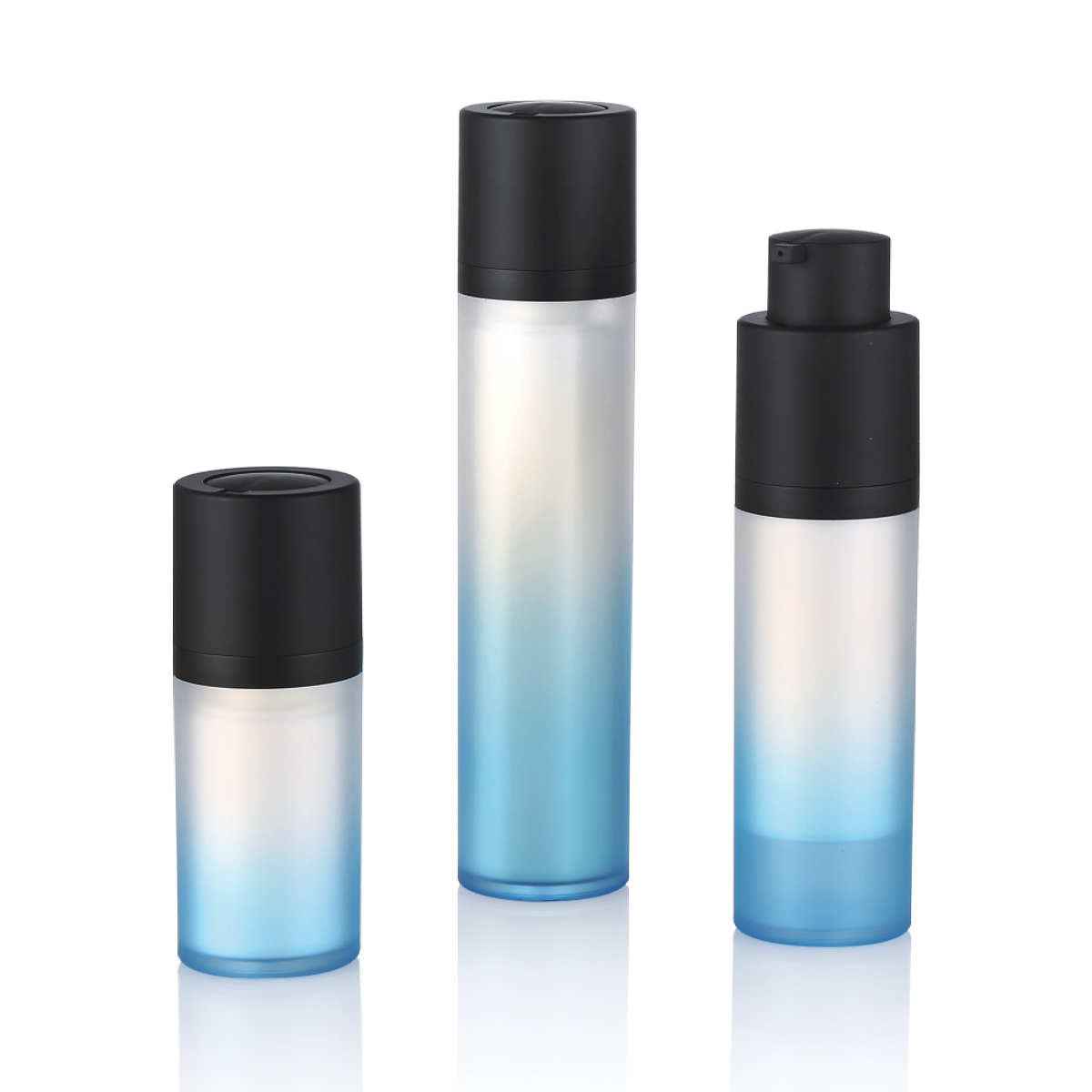
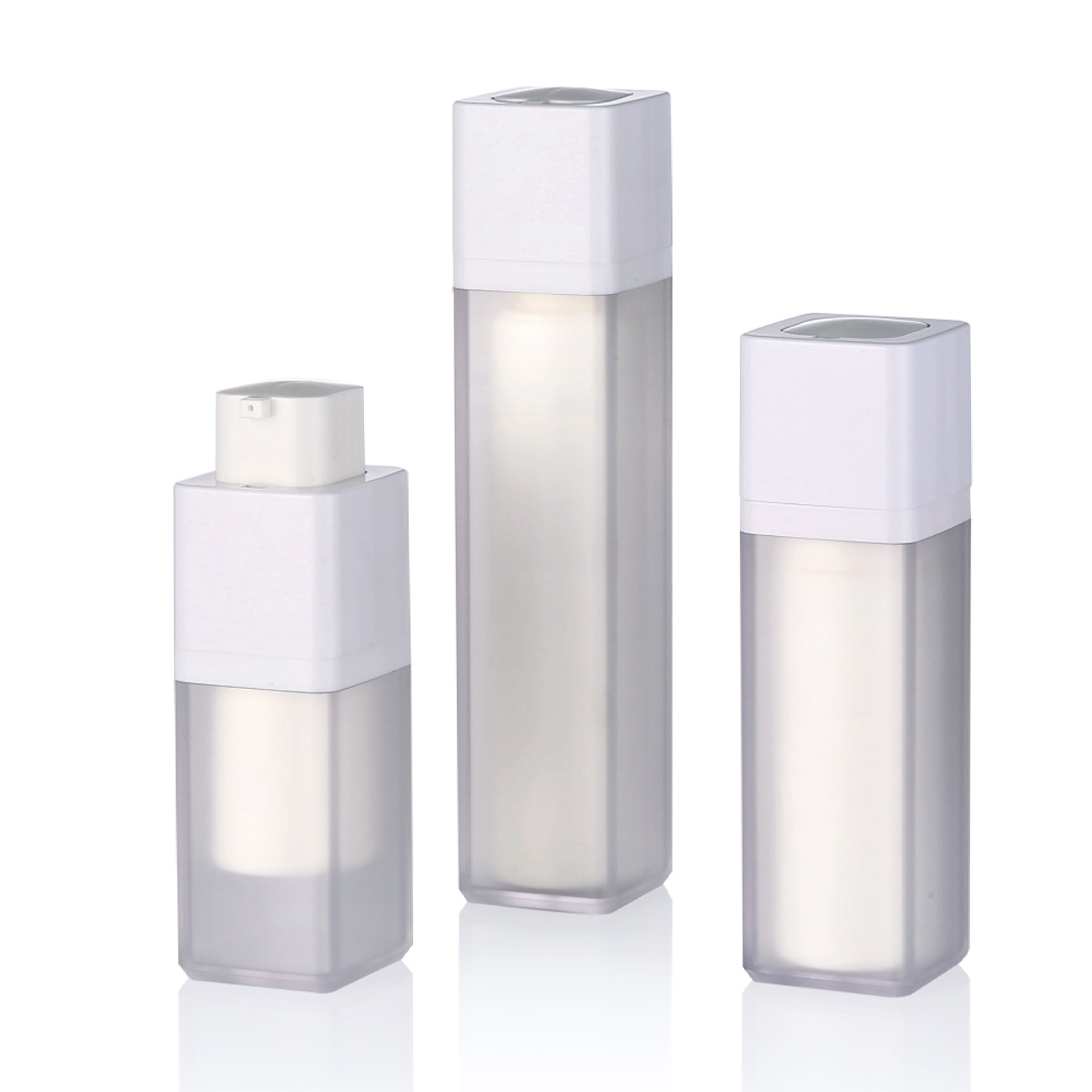
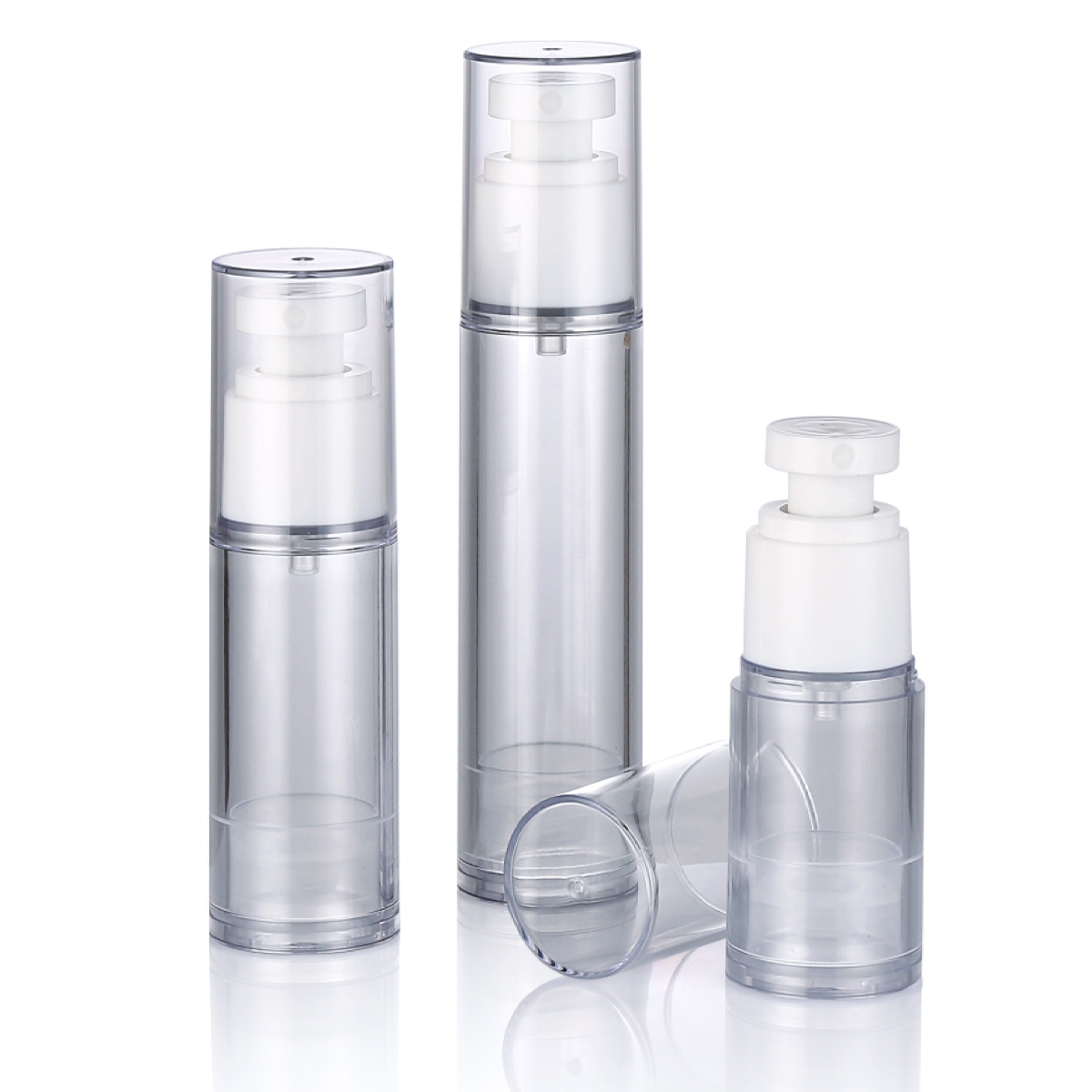
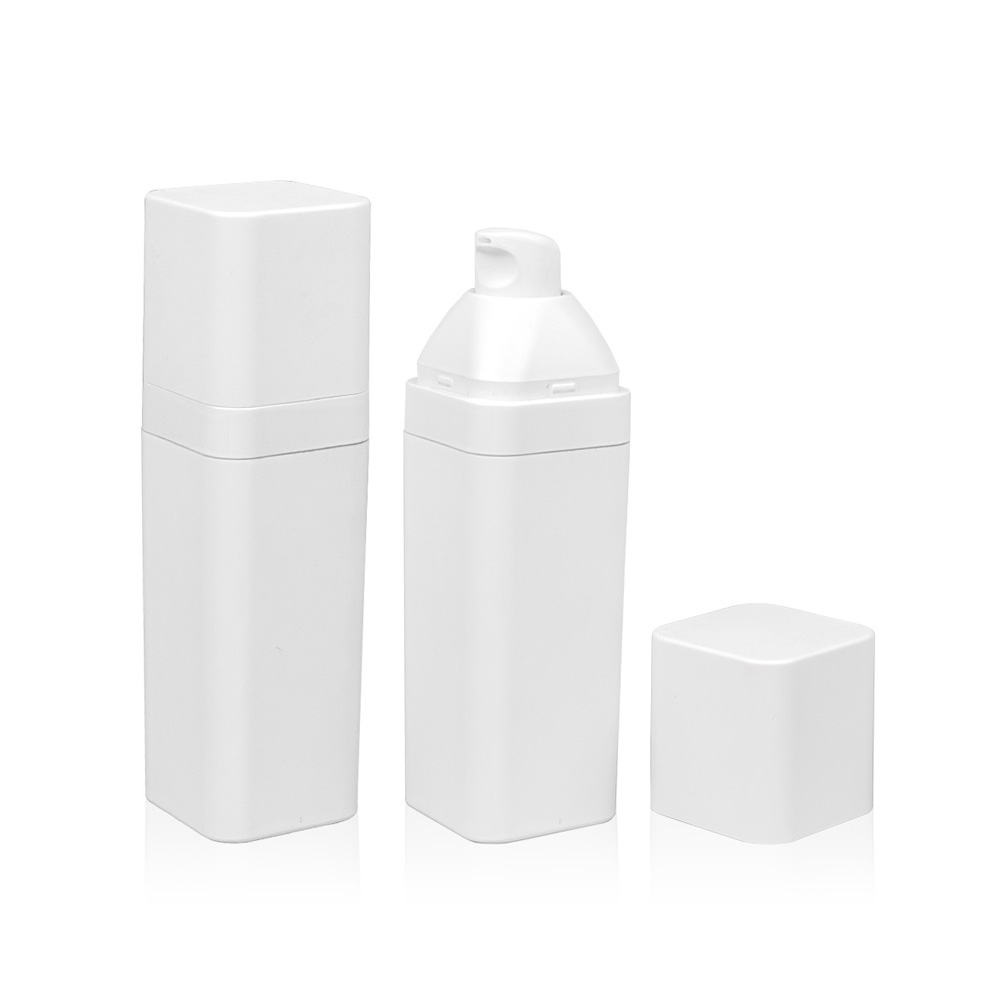
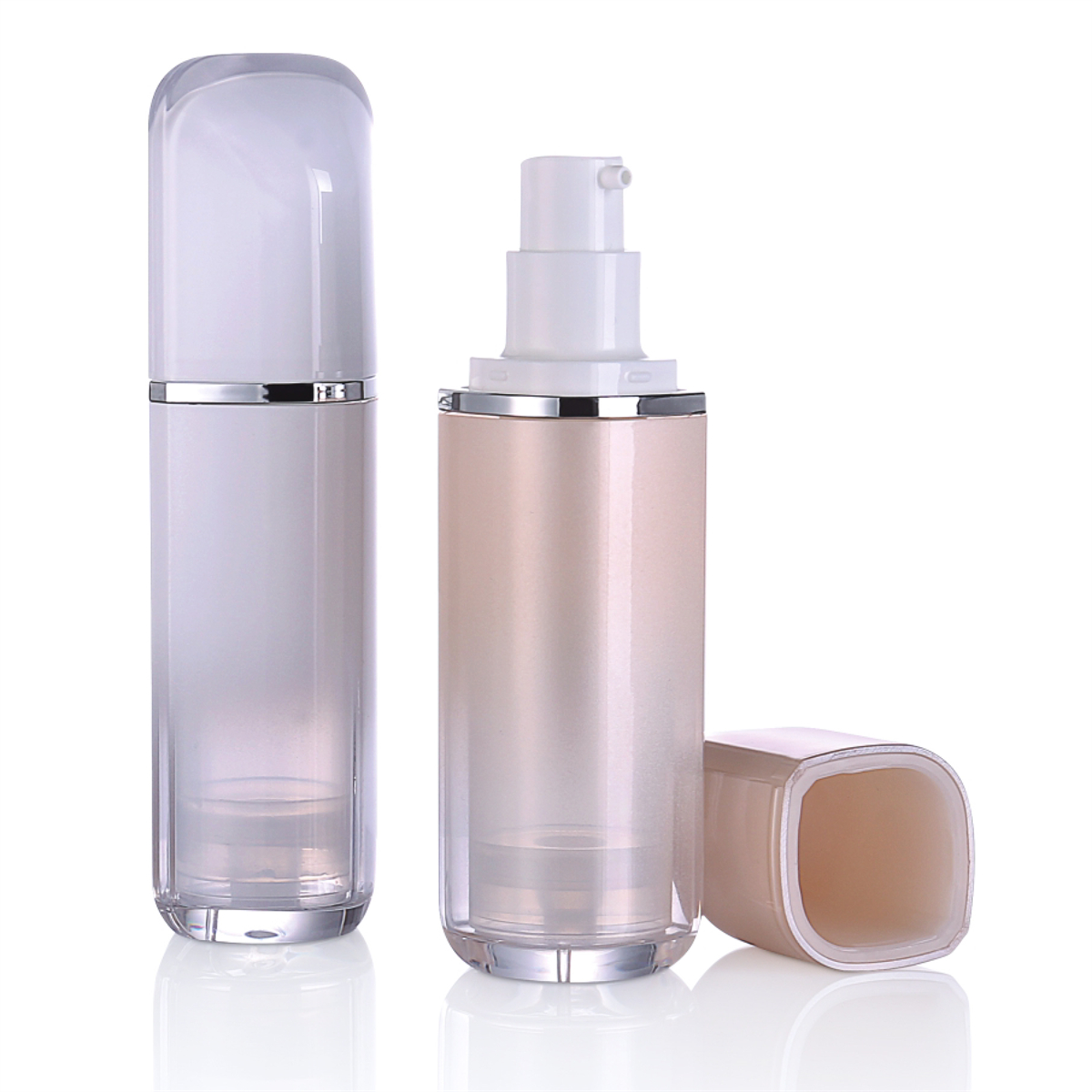
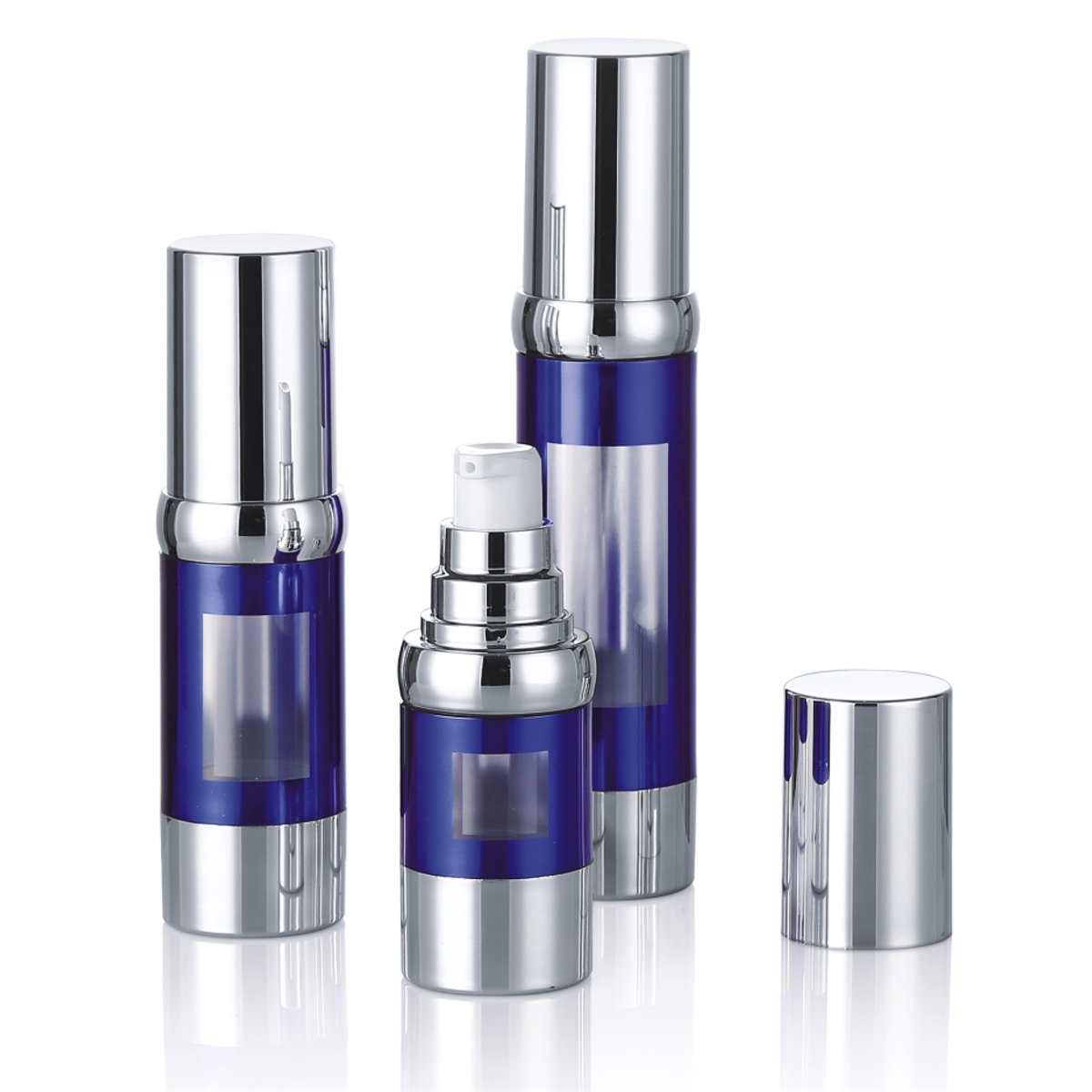
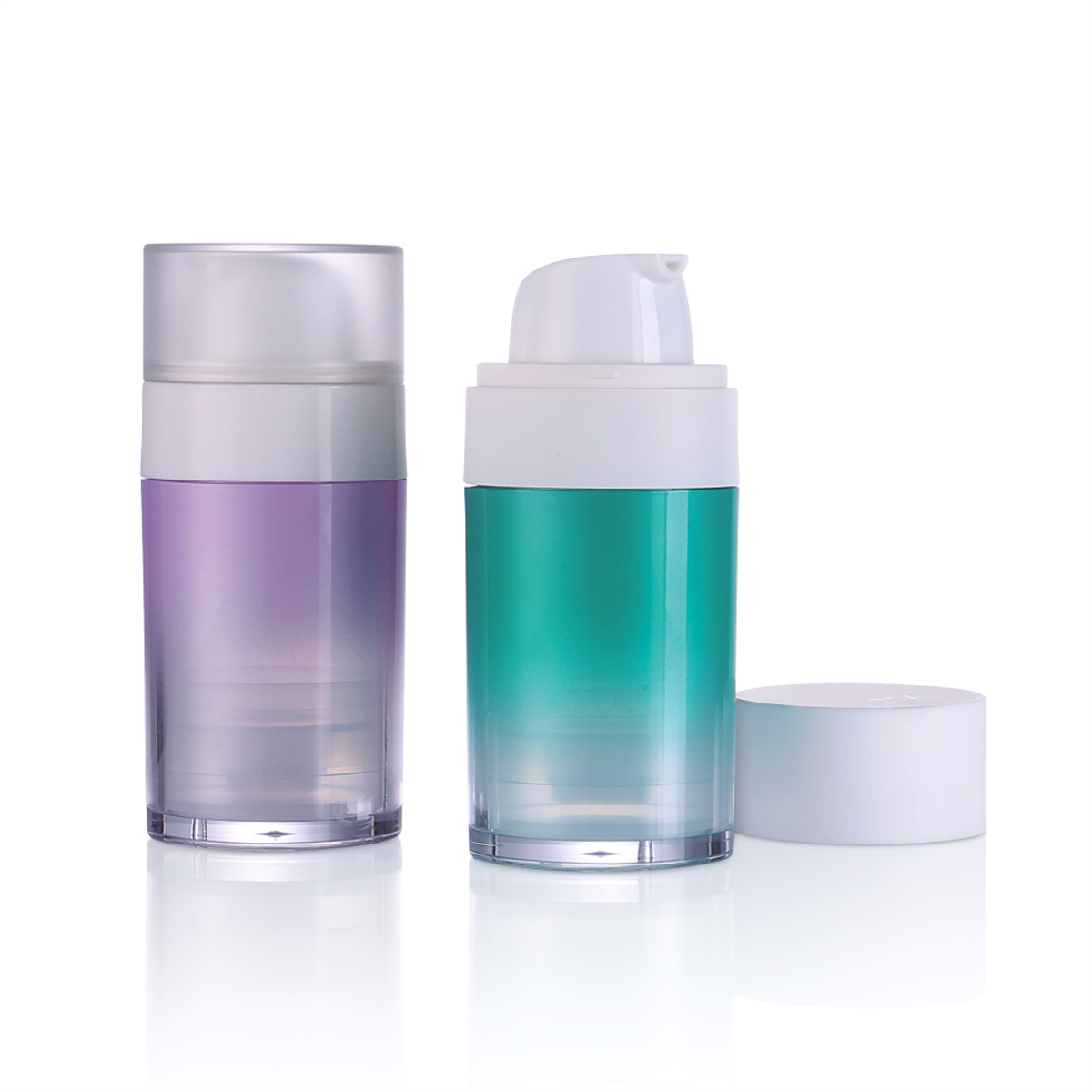
An Airless Bottle is an innovative packaging solution designed to protect liquid or cream products from air exposure while ensuring precise dispensing. Unlike traditional bottles, airless bottles utilize a vacuum mechanism or a piston system to push the product upward, minimizing contact with air and preventing oxidation.
Minimizing Product Waste
One of the primary advantages of an Airless Bottle is its ability to reduce product waste. Traditional bottles often leave residual product that is difficult to access, especially for thicker formulations such as creams, serums, or lotions. Airless bottles, however, allow nearly 100% of the product to be dispensed, ensuring every last drop is usable.
- Precision Dispensing: Each pump dispenses a controlled amount, reducing accidental overuse.
- Full Product Utilization: The piston mechanism ensures no leftover product at the bottom.
- Reduced Contamination: Minimal air contact prevents product spoilage, extending shelf life.
Maximizing Efficiency
Efficiency is not only about product usage but also about convenience and cost-effectiveness. Airless Bottles offer:
- Time-Saving: Easy-to-use pumps allow quick access to the product without needing to squeeze or shake the bottle.
- Consistent Dosage: Reliable, uniform dosing improves user experience and product performance.
- Portability: Airless bottles are spill-proof and ideal for travel, reducing product loss during transport.
Comparison with Traditional Bottles
| Feature | Airless Bottle | Traditional Bottle |
|---|---|---|
| Product Waste | Minimal, nearly 100% usable | Significant leftover product |
| Air Exposure | Minimal, prevents oxidation | High, may spoil product |
| Dispensing Control | Precise dosage every pump | Varies, can be inconsistent |
| Portability | Leak-proof, travel-friendly | Prone to spills |
Frequently Asked Questions (FAQ)
Q1: Can airless bottles be used for all types of products?
Yes, airless bottles are suitable for a wide range of products, including skincare creams, serums, gels, and even certain liquid cosmetics. However, extremely thin liquids may require specialized pump designs.
Q2: How does the airless mechanism prevent contamination?
The vacuum or piston system limits the product's exposure to air and external bacteria. This keeps sensitive formulations stable for a longer period without preservatives.
Q3: Are airless bottles more expensive than traditional bottles?
While the initial cost may be higher, the reduced product waste and extended shelf life make airless bottles more cost-effective in the long term.
Conclusion
Incorporating an Airless Bottle into packaging strategies provides both functional and economic benefits. By minimizing product waste, maximizing efficiency, and improving user experience, airless bottles are an ideal choice for modern cosmetics and personal care products.
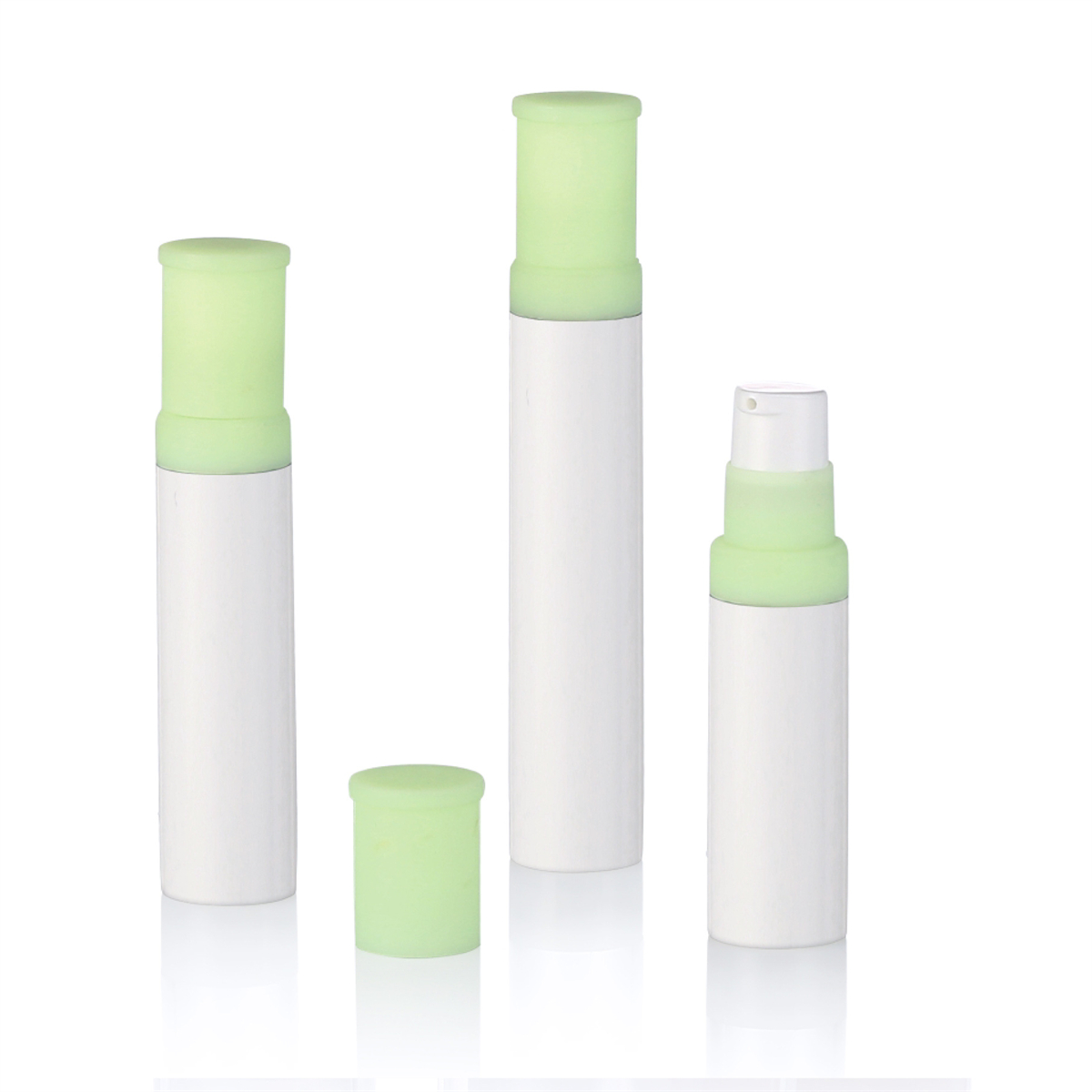
.jpg "15ml 20ml 30ml 50ml Frosted Desktop Airless Bottle PP Emulsion Bottle Spray Fine Mist Table Bottle L13")