 English
 中文简体
中文简体 Español
 عربى
عربىThe rise of advanced packaging solutions has brought the Airless Bottle to the forefront of cosmetic, pharmaceutical, and skincare industries. Unlike traditional jars and pump bottles, airless bottles provide superior protection against contamination, prolong product lifespan, and enhance user experience. Understanding why these innovative containers outperform conventional packaging is essential for both manufacturers and consumers.
Understanding Airless Bottles
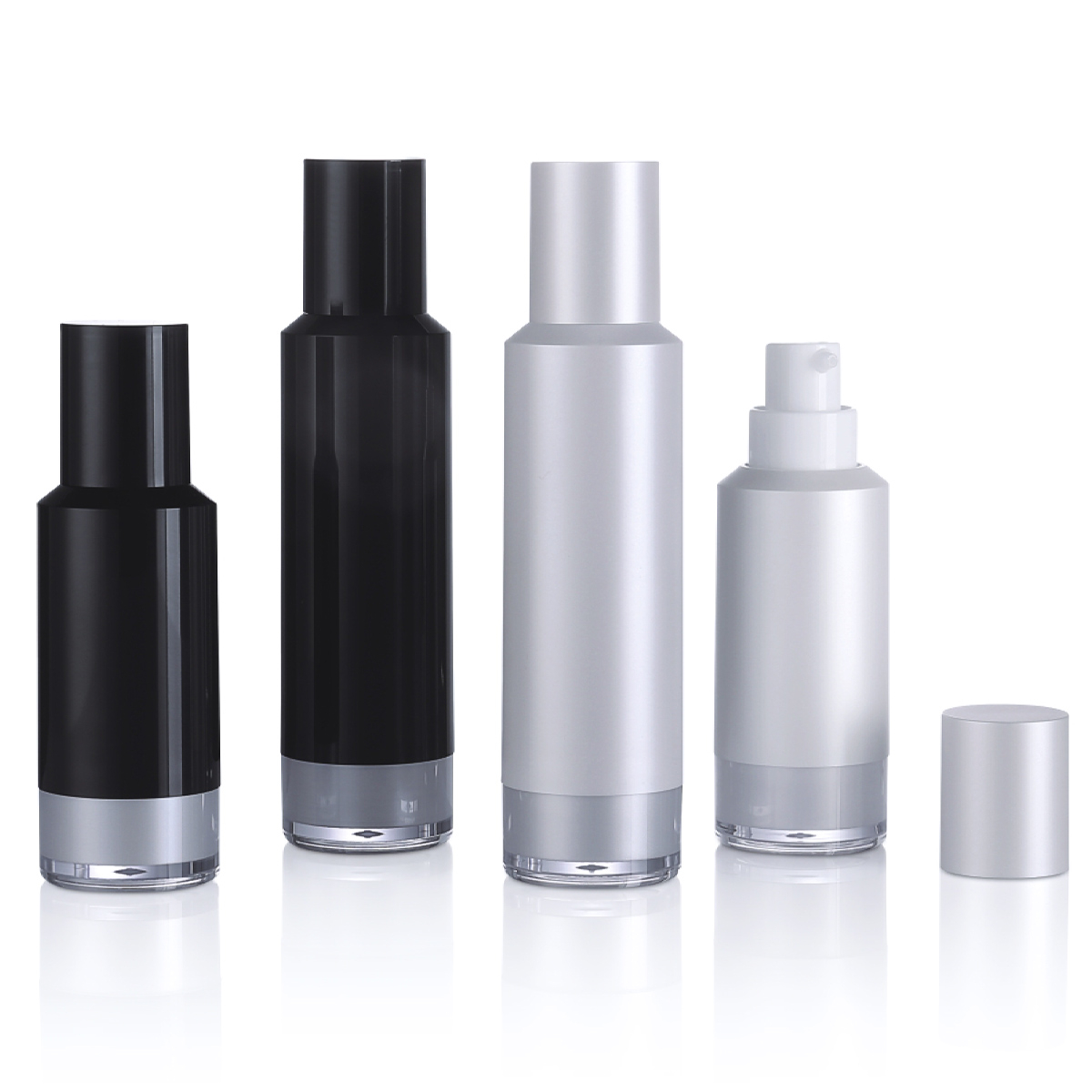
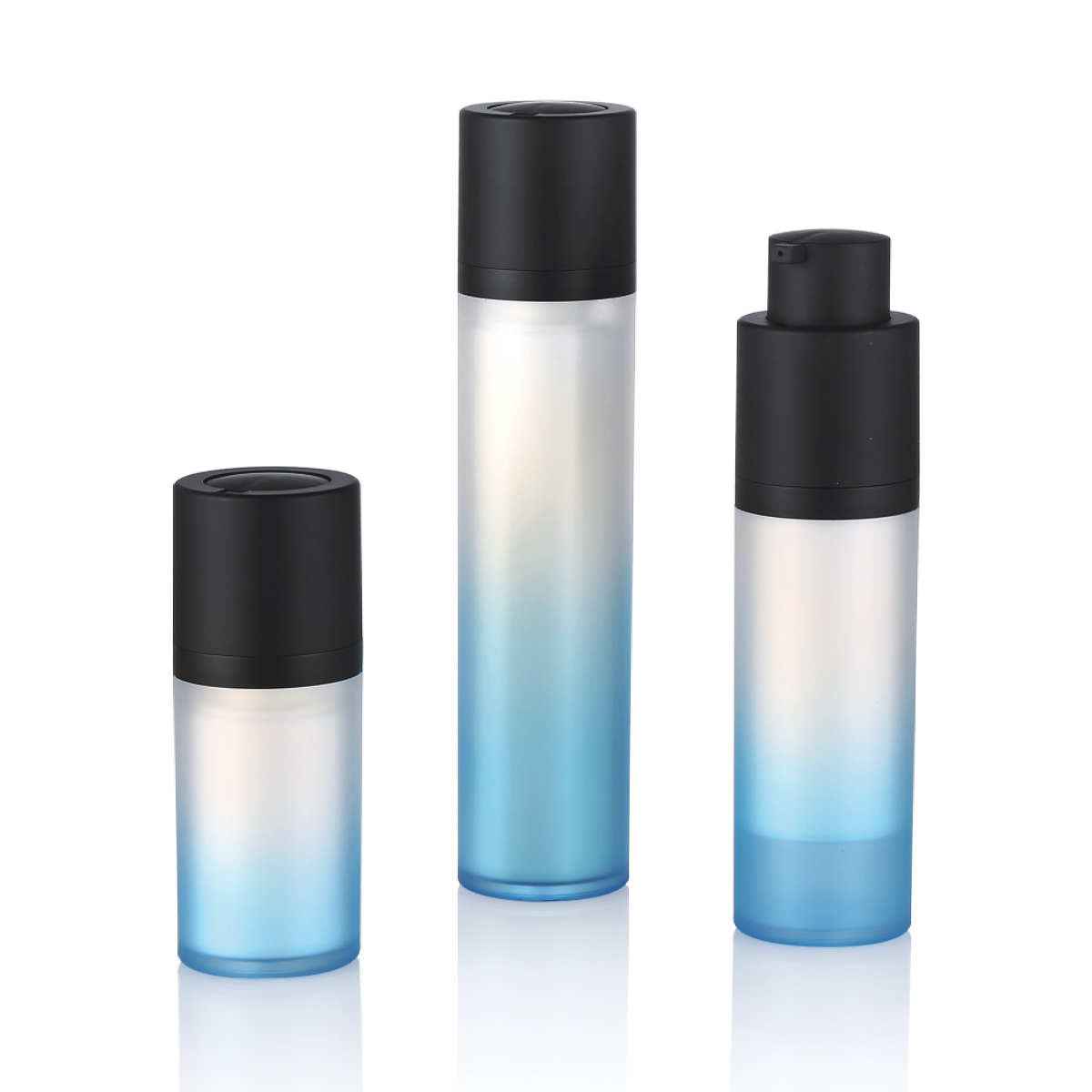
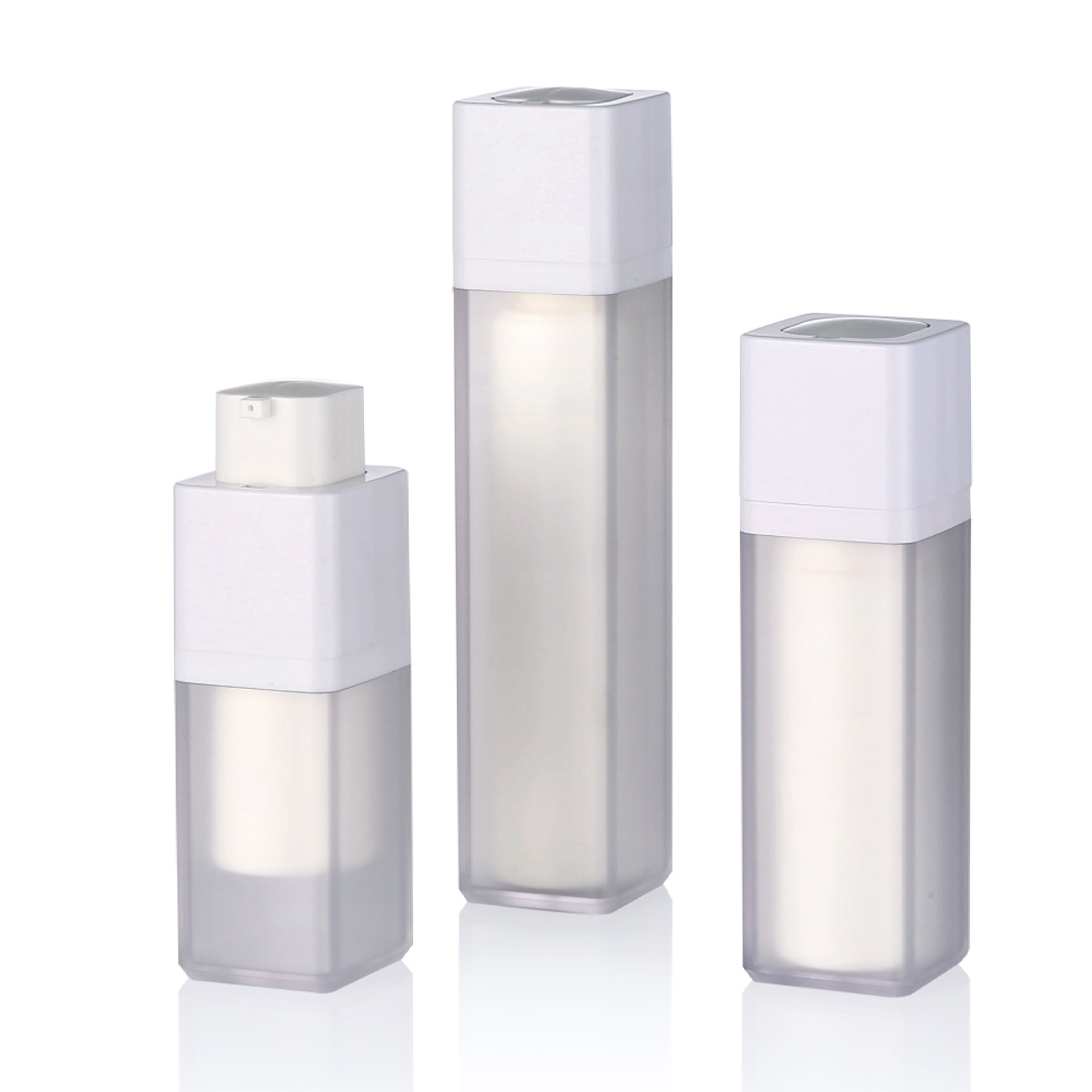
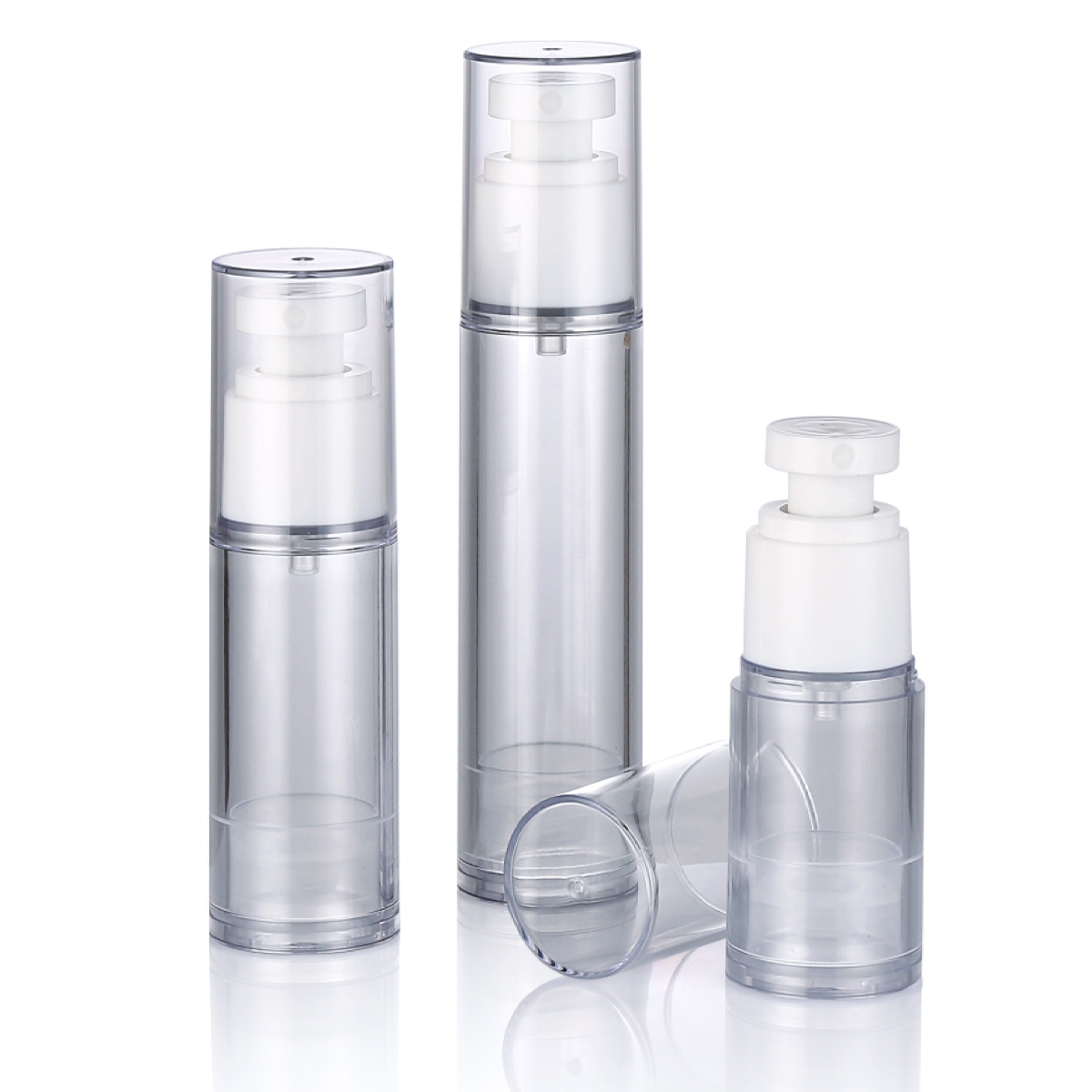
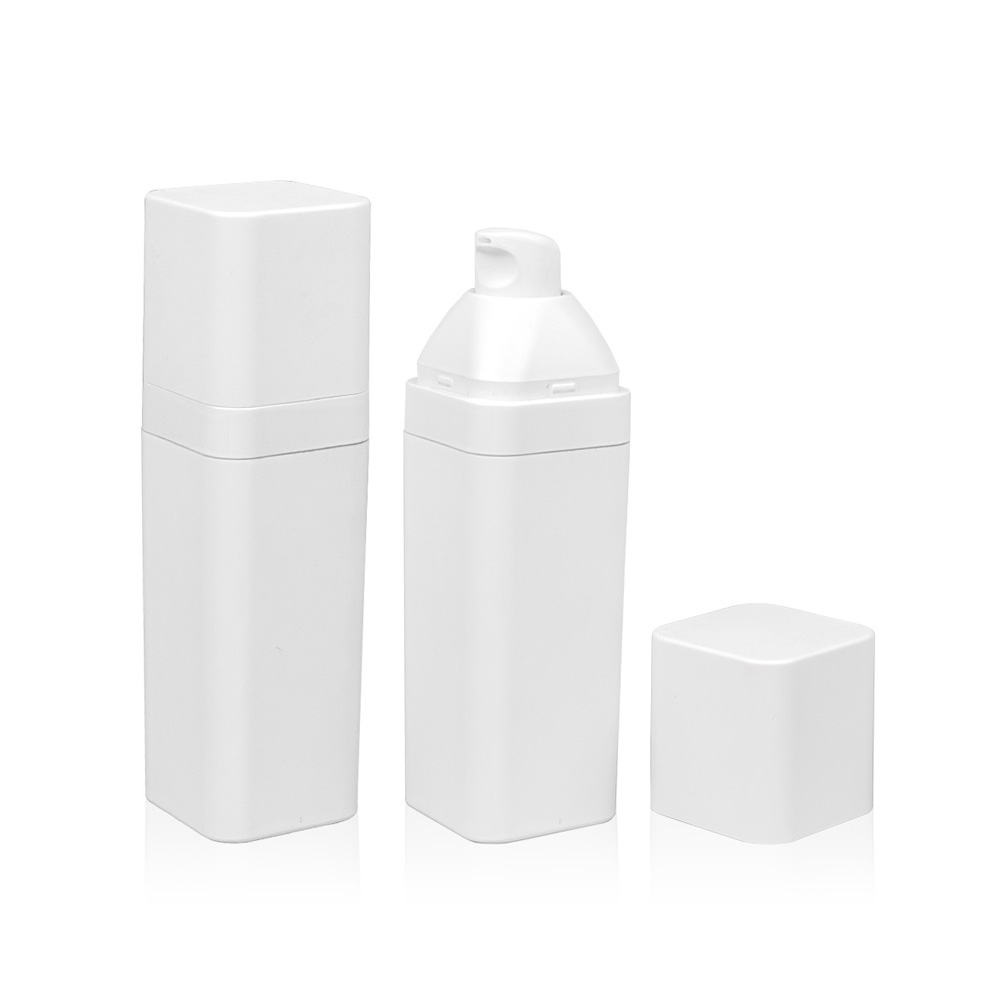
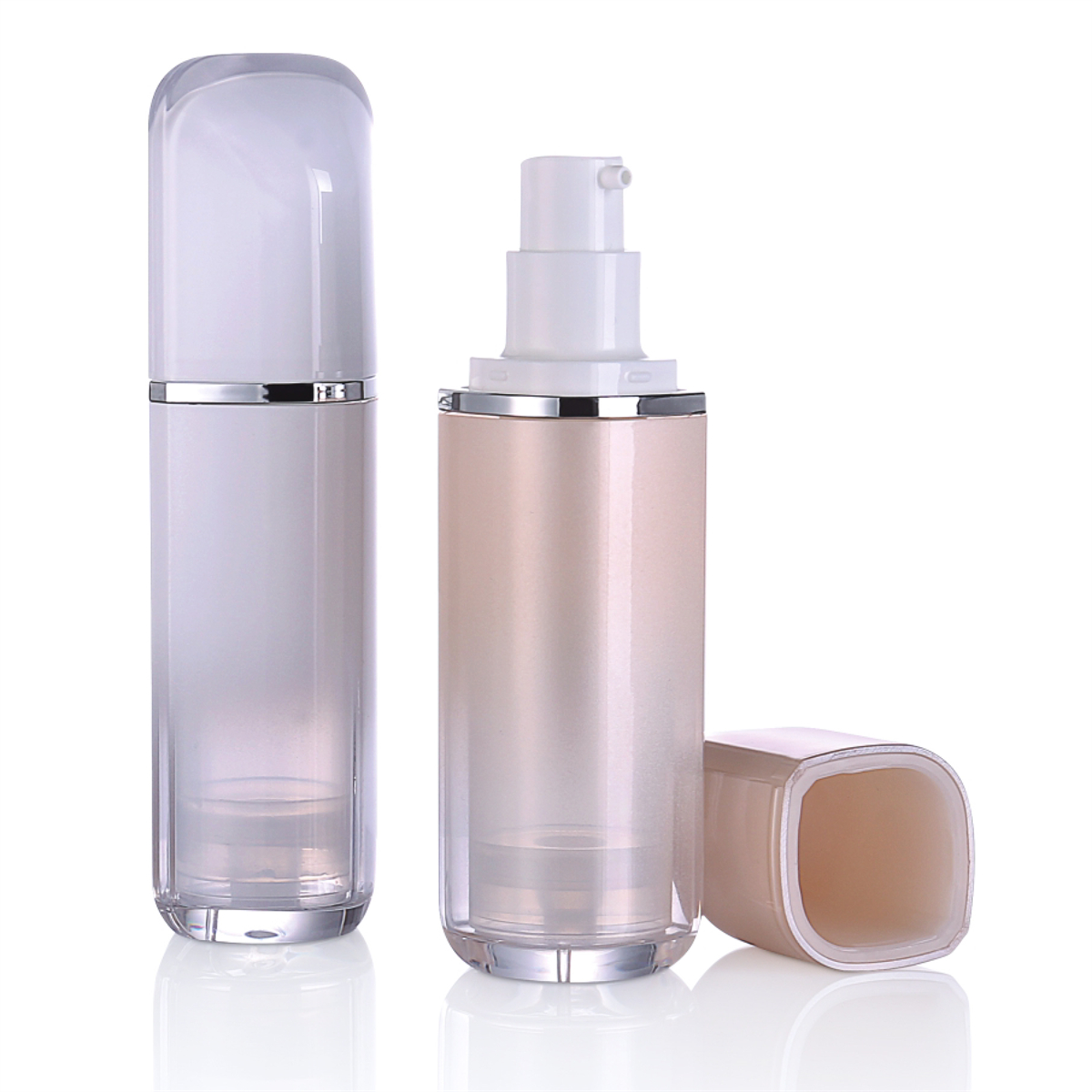
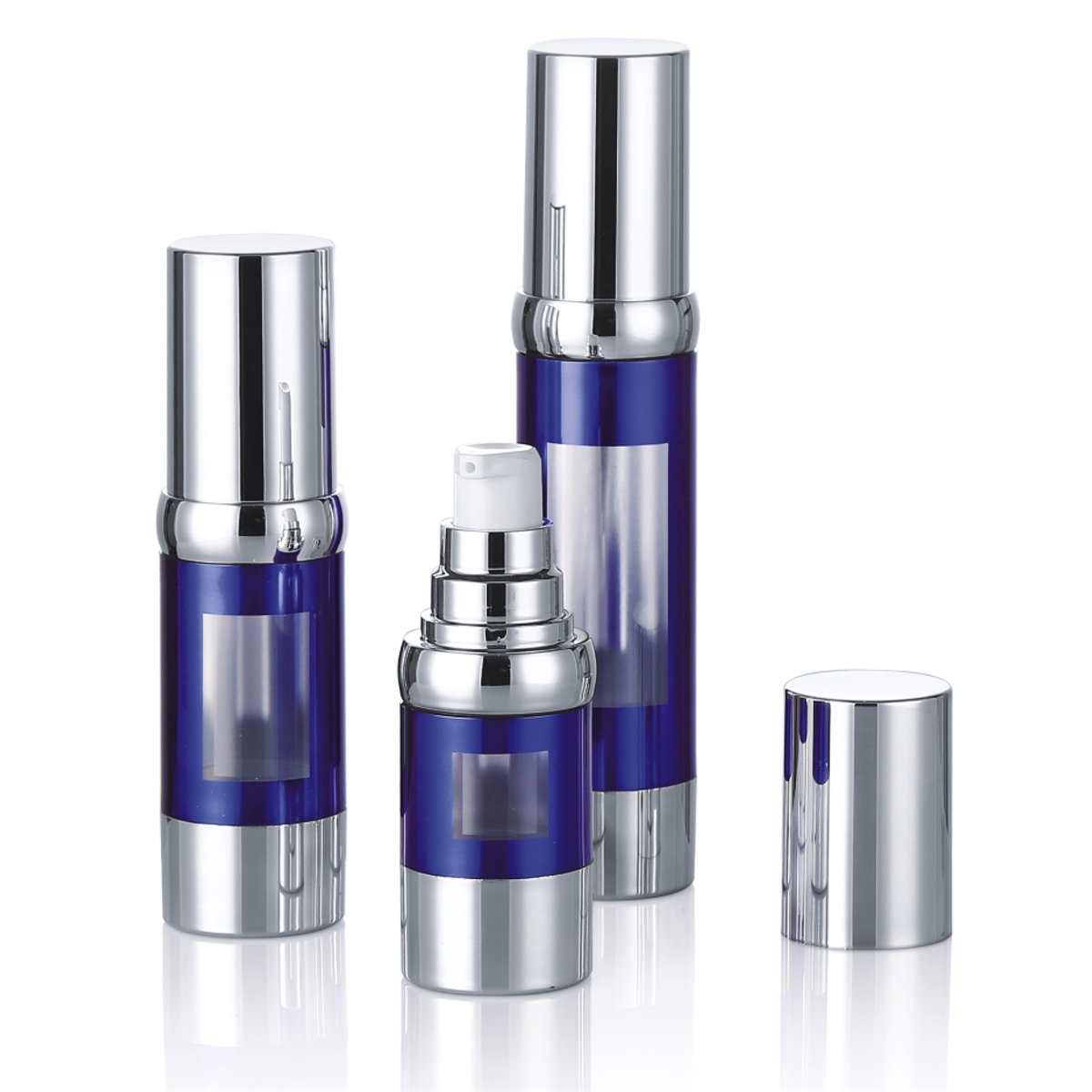
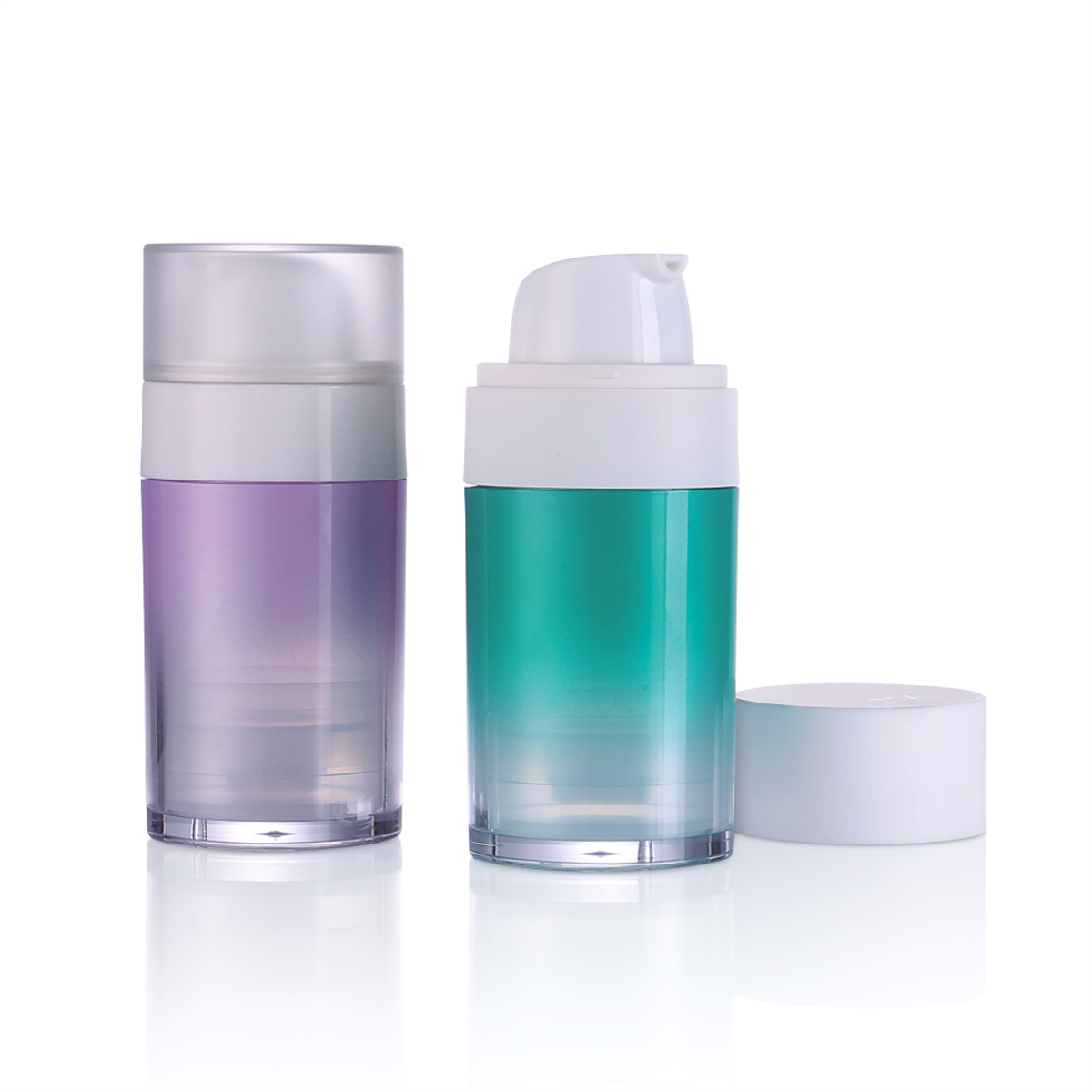
An Airless Bottle is a type of container designed to deliver products without exposing them to air. It typically consists of a vacuum-sealed chamber, a piston or diaphragm mechanism, and a dispensing nozzle. This structure ensures that every pump delivers the product while maintaining airtight conditions.
Key Components
- Vacuum Chamber: Keeps the product sealed from external air and bacteria.
- Piston or Diaphragm: Pushes the product upwards as it is dispensed, preventing air backflow.
- Nozzle Design: Ensures precise and hygienic product release.
How Airless Bottles Prevent Contamination
Traditional packaging, such as jars or open-top containers, exposes products to air, bacteria, and user contact. In contrast, Airless Bottles provide a closed environment that significantly reduces contamination risks.
Barrier Against Microorganisms
By eliminating direct contact with hands and air, the risk of microbial contamination is minimized. This is particularly critical for products with active ingredients like vitamins, probiotics, or retinoids, which are highly sensitive to oxidation and bacterial growth.
Protection from Oxidation
Exposure to oxygen can degrade ingredients, reducing product efficacy. Airless bottles create a vacuum environment, preventing oxygen from entering and preserving the active ingredients’ stability.
Extended Shelf Life
The airtight design not only protects against bacteria and oxidation but also extends the shelf life of the product. This reduces waste, ensuring that consumers get the most value from their purchases.
Advantages Over Traditional Packaging
Enhanced Hygiene
Airless bottles reduce the need for double-dipping or touching the product directly. This makes them ideal for skincare creams, serums, and other sensitive formulations.
Precision and Control
The dispensing mechanism allows for controlled product release, reducing waste and ensuring consistent application.
Travel-Friendly Design
Most airless bottles are designed to prevent leakage, making them suitable for travel and convenient for on-the-go use.
Preservation of Product Integrity
Unlike traditional jars, where exposure to light and air can compromise quality, airless bottles maintain the product’s intended texture, fragrance, and effectiveness over time.
Material and Sustainability Considerations
Airless bottles are available in a variety of materials, including high-quality plastics and glass, often recyclable or made with environmentally conscious materials. Many brands are also exploring biodegradable components, making them a sustainable alternative to traditional packaging.
Eco-Friendly Options
- Recyclable PET or PP plastics
- Glass containers with airless pumps
- Refillable airless bottle systems
Industries Benefiting from Airless Bottles
Skincare and Cosmetics
Serums, lotions, and creams often contain sensitive ingredients that degrade when exposed to air. Airless bottles ensure these products remain potent and safe for longer periods.
Pharmaceuticals
Topical medications, ointments, and sensitive pharmaceutical formulations benefit from contamination prevention and precise dosing offered by airless packaging.
Food Supplements
Products like liquid vitamins or probiotics require airtight storage to preserve efficacy. Airless bottles maintain stability and hygiene, reducing the risk of spoilage.
Common FAQs About Airless Bottles
Q1: Are Airless Bottles suitable for all types of products?
They are ideal for liquid, gel, and cream formulations. Products with very high viscosity may require specialized pump mechanisms.
Q2: How do Airless Bottles improve product hygiene?
By preventing air and hand contact, the product inside remains uncontaminated, reducing bacterial growth and extending shelf life.
Q3: Can Airless Bottles be reused or refilled?
Many airless bottles are designed to be refillable. Refill systems are available for eco-conscious consumers, reducing plastic waste and cost.
Q4: Do Airless Bottles work with all active ingredients?
Yes, they are particularly effective for oxygen-sensitive ingredients such as vitamin C, retinol, and peptides, maintaining their potency over time.
Q5: Are Airless Bottles more expensive than traditional packaging?
Initial costs may be higher due to the pump mechanism and airtight design. However, they reduce product waste and extend shelf life, offering long-term value.
Conclusion
Airless Bottles represent a significant advancement in packaging technology. By minimizing exposure to air, bacteria, and user contact, they preserve product integrity, extend shelf life, and enhance overall user experience. From skincare and cosmetics to pharmaceuticals and supplements, airless bottles provide a hygienic, precise, and sustainable solution that outperforms traditional packaging.
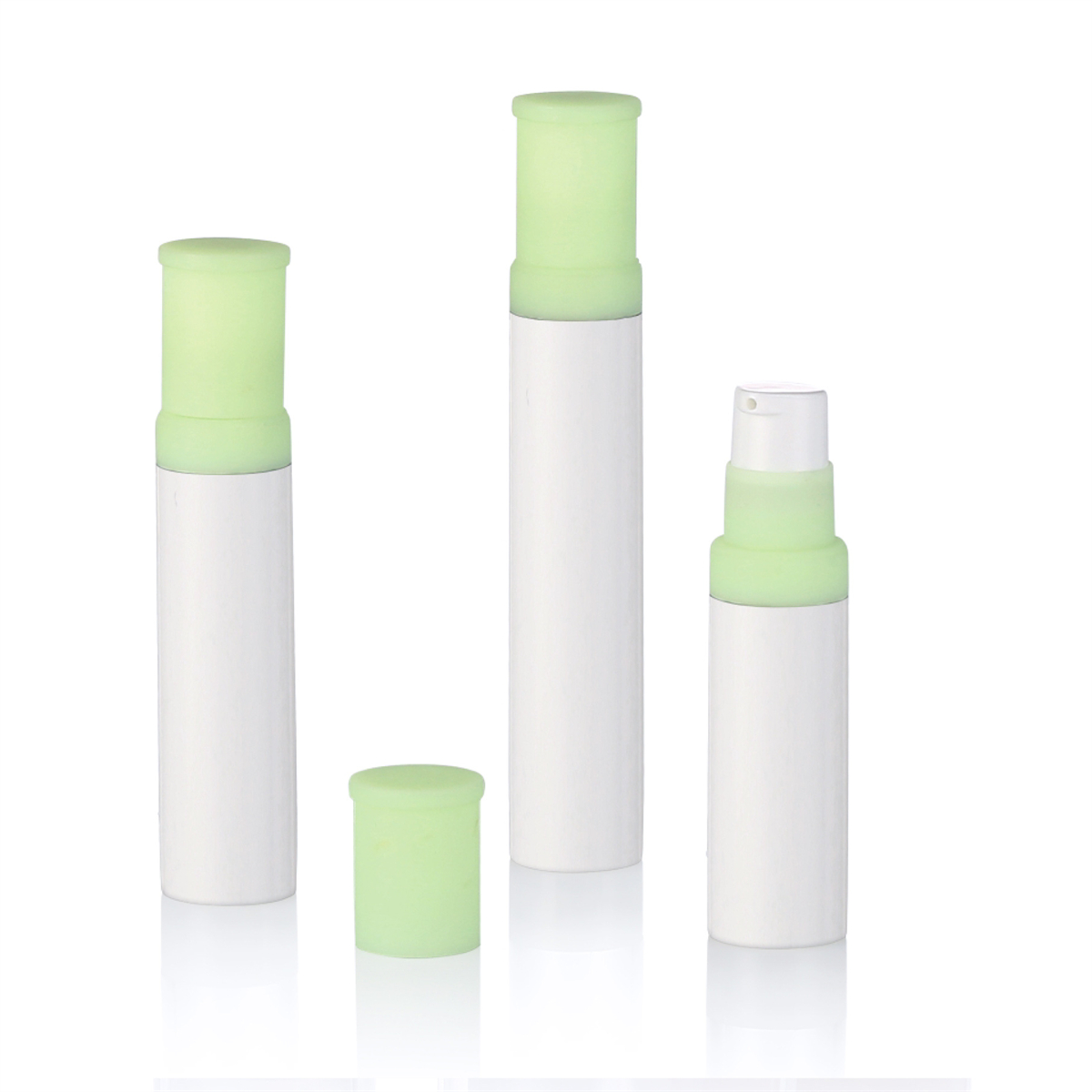
.jpg "15ml 20ml 30ml 50ml Frosted Desktop Airless Bottle PP Emulsion Bottle Spray Fine Mist Table Bottle L13")