 English
 中文简体
中文简体 Español
 عربى
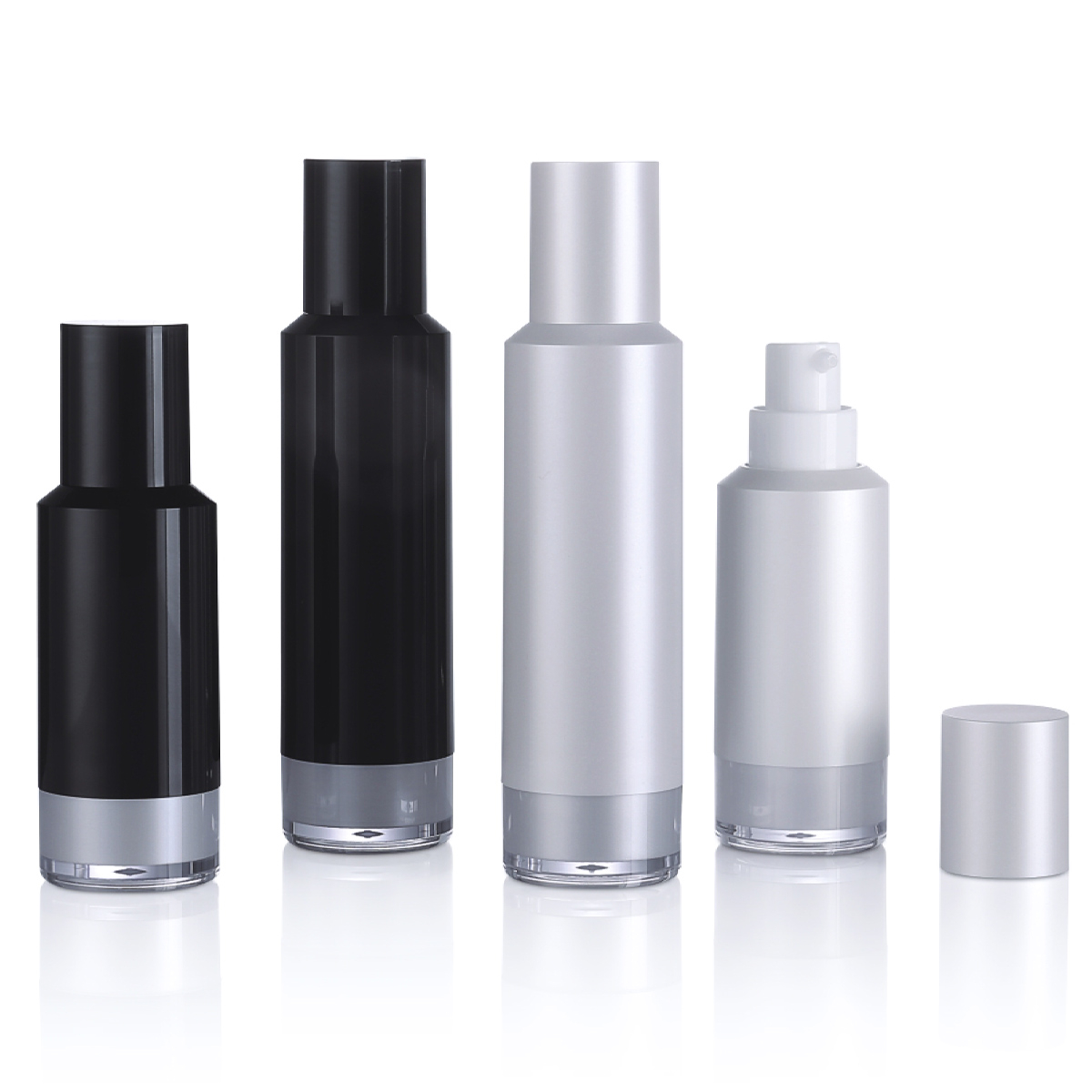
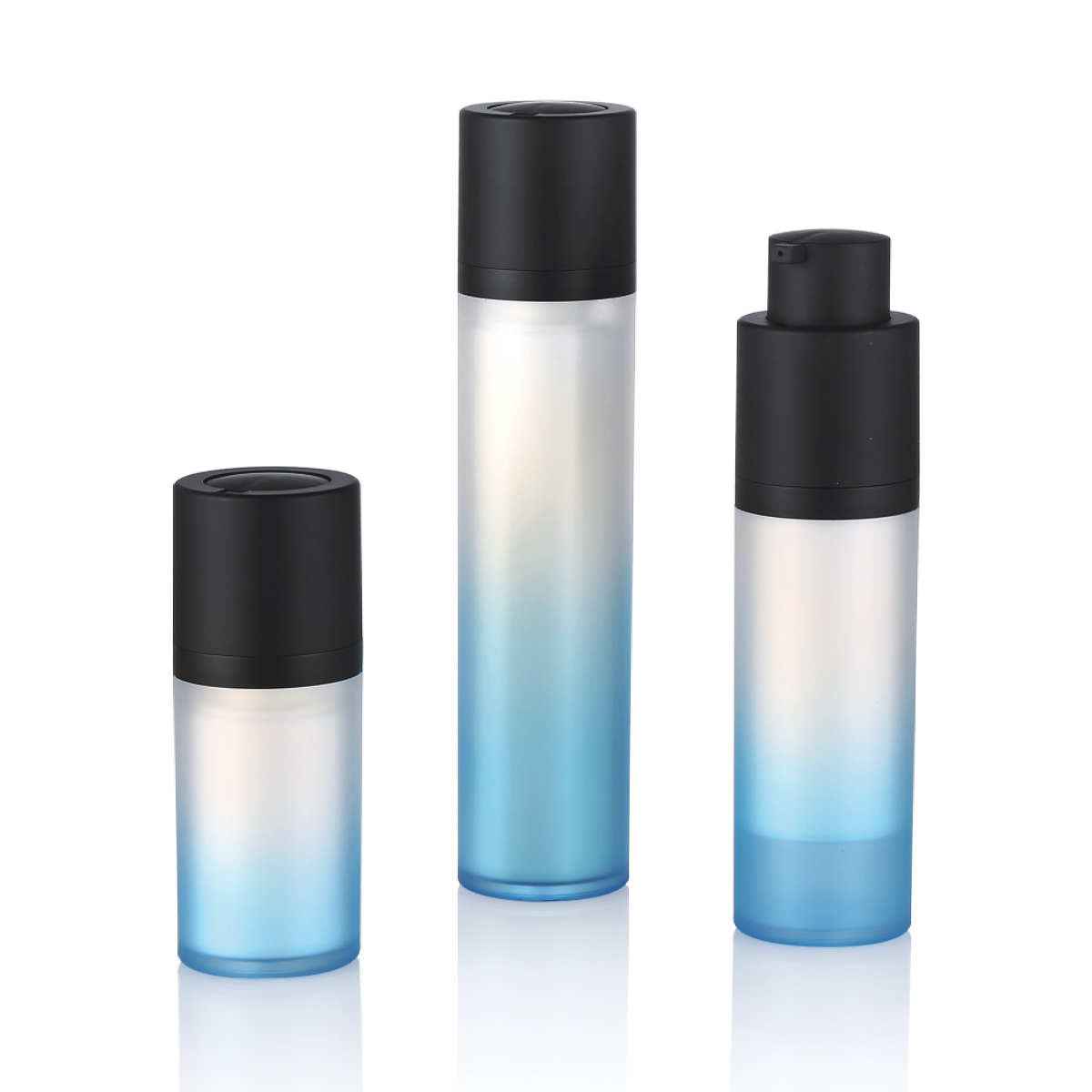
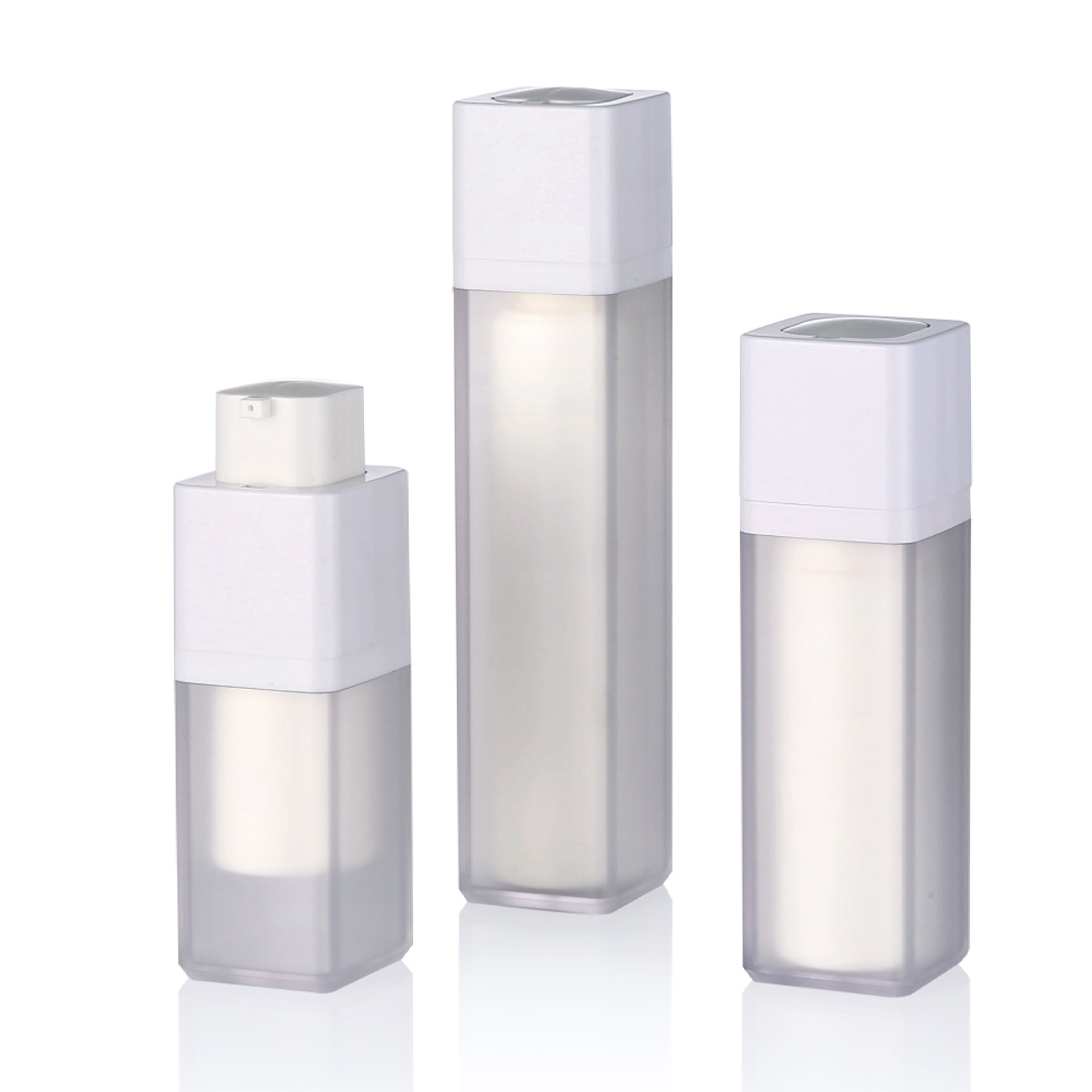
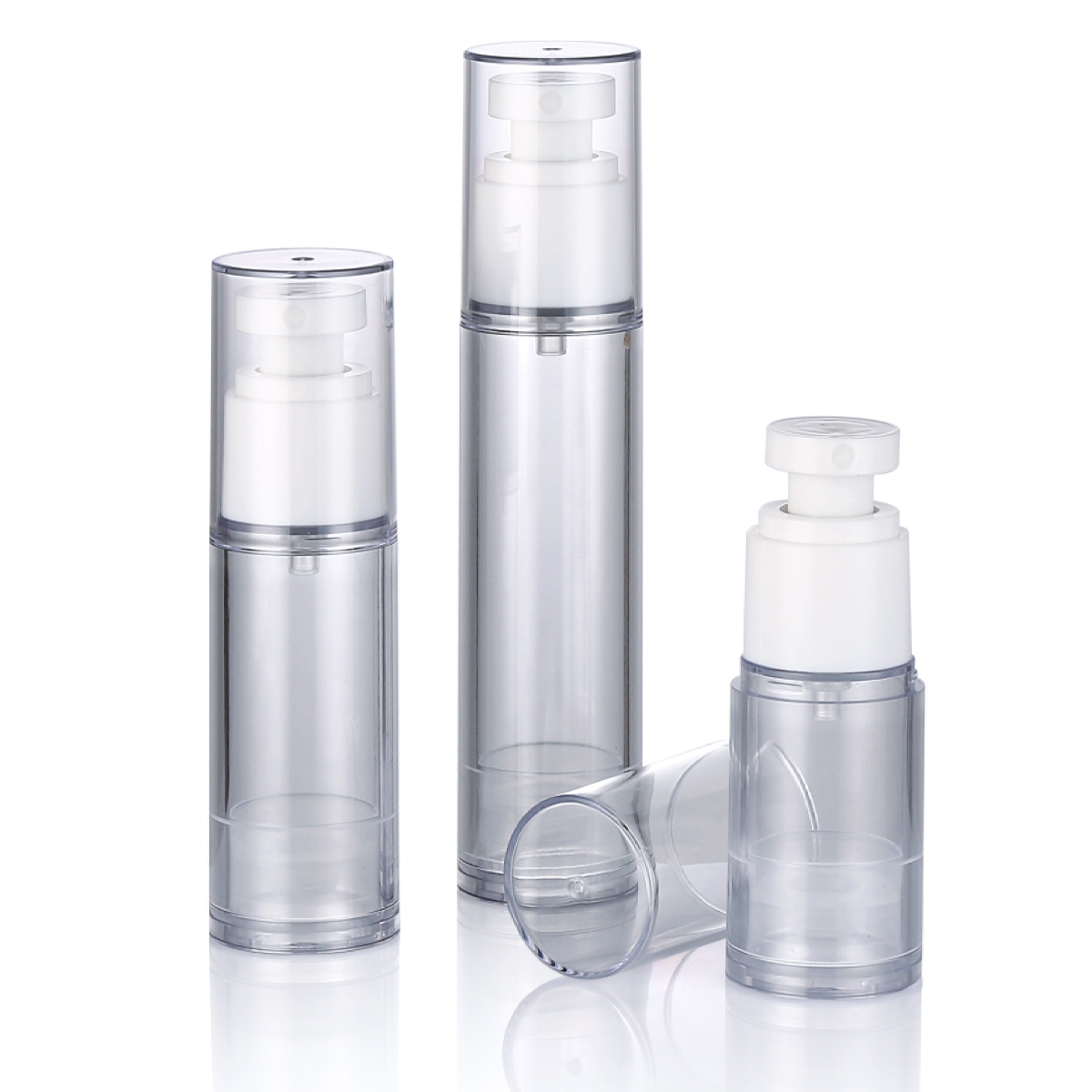
عربىAirless Bottle packaging has rapidly gained popularity in the cosmetic, pharmaceutical, and personal care industries due to its ability to preserve product integrity and extend shelf life. By eliminating air exposure, these bottles protect sensitive formulations from oxidation, contamination, and degradation. Understanding which products benefit most from Airless Bottles can help manufacturers and consumers make informed packaging choices.
Understanding the Airless Bottle
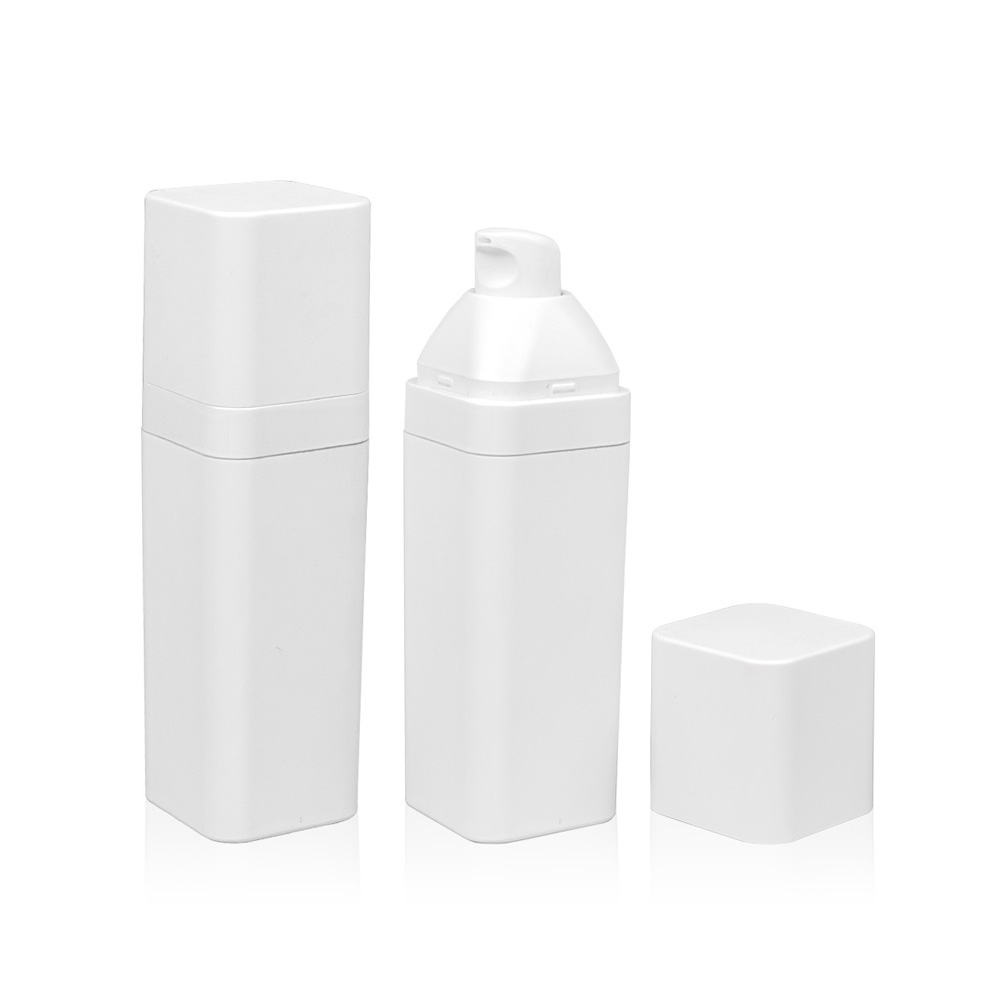
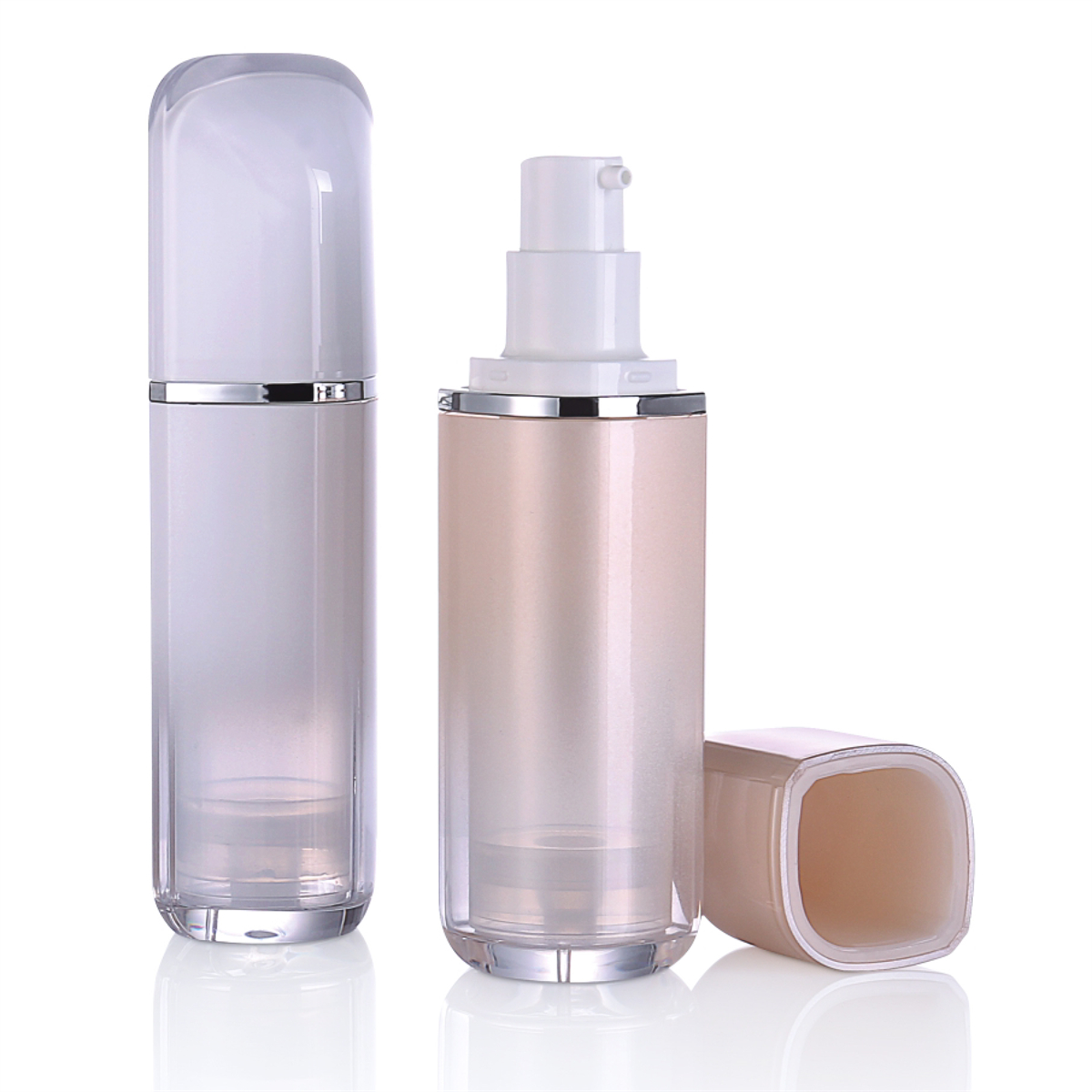
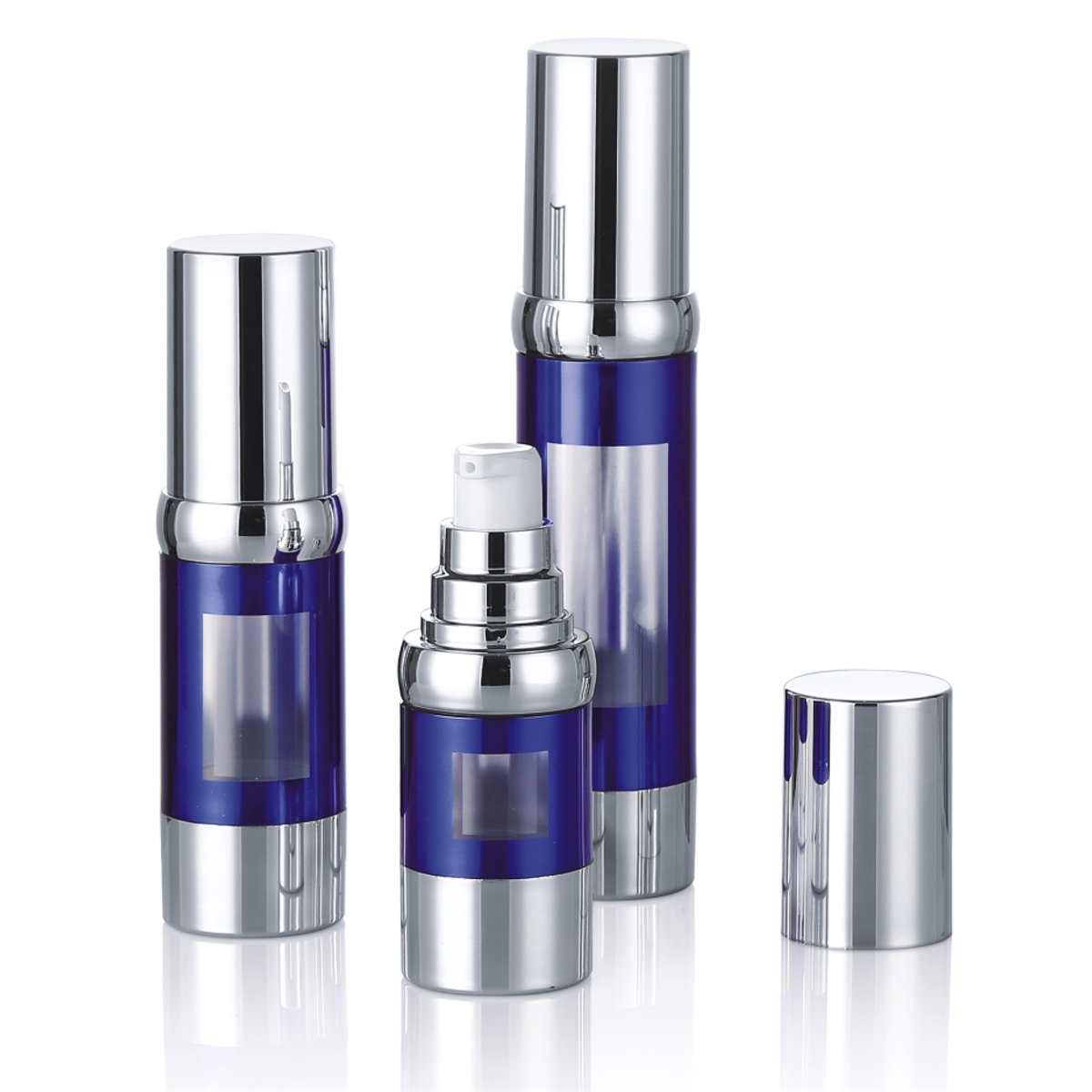
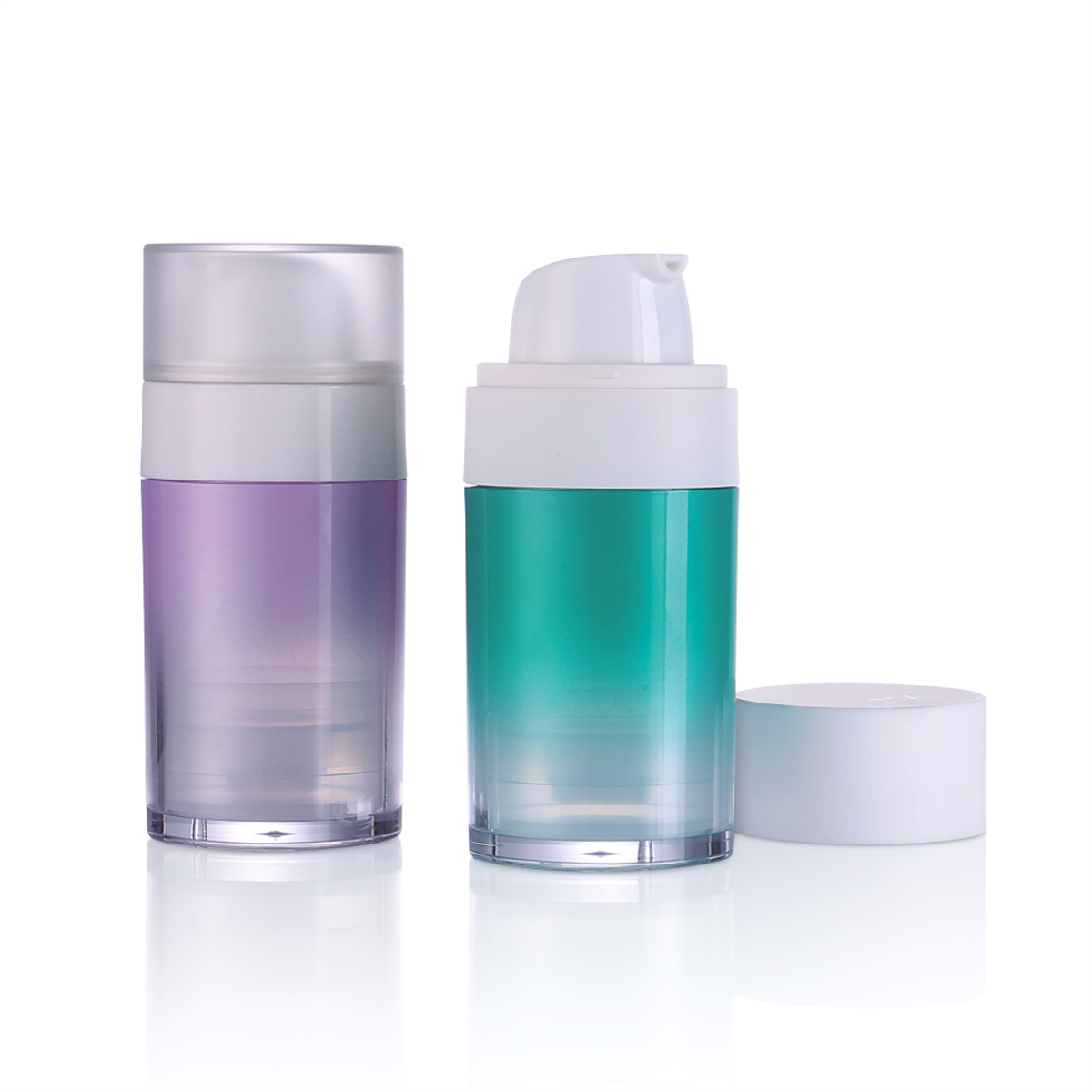
An Airless Bottle is a specialized container that dispenses products without allowing air to enter the bottle. Unlike traditional pump bottles, which may allow air to mix with the product and cause contamination or deterioration, airless bottles use a vacuum or piston system to push the product out while maintaining an airtight environment. This design ensures product stability, hygiene, and consistent dosing.
Ideal Products for Airless Bottles
Airless bottles are particularly effective for products that are sensitive to air, light, or bacteria. The following categories are commonly suited for this type of packaging:
1. Skincare Products
- Serums and Ampoules: Serums with high concentrations of active ingredients like Vitamin C, hyaluronic acid, or peptides degrade quickly when exposed to air. Airless bottles preserve their potency.
- Moisturizers and Creams: Creams with natural oils, antioxidants, or organic ingredients benefit from airless packaging, reducing the risk of oxidation.
- Sunscreens: Many sunscreens contain chemical UV filters that can degrade over time if exposed to air. Airless bottles enhance shelf life and effectiveness.
2. Pharmaceutical Products
- Topical Medications: Antibiotic creams, corticosteroids, or anti-inflammatory gels can remain stable longer when packaged in an airless bottle.
- Prescription Lotions: Medications sensitive to contamination or oxidation are ideal candidates.
- Specialty Ointments: Products requiring precise dosing benefit from airless pump accuracy.
3. Personal Care Products
- Hair Serums and Oils: Nutrient-rich hair treatments are preserved longer when protected from air exposure.
- Facial Oils: Oils prone to rancidity maintain their freshness in an airless system.
- Hand Sanitizers and Lotions: Especially alcohol-based or botanical formulations, which can lose efficacy over time if exposed to air.
Benefits of Using Airless Bottles
The advantages of Airless Bottles make them appealing for sensitive products:
- Extended Shelf Life: Minimizes oxidation, preserving active ingredients longer.
- Hygienic Dispensing: Reduces contamination from repeated exposure to air or fingers.
- Accurate Dosing: Piston or vacuum systems provide consistent product delivery.
- Reduced Waste: Products are fully dispensed without leaving residue at the bottom of the container.
- UV Protection: Some airless bottles use opaque materials that shield contents from light degradation.
Comparing Airless Bottles with Traditional Packaging
| Feature | Airless Bottle | Traditional Pump/Jar |
|---|---|---|
| Air Exposure | Minimal, maintains integrity | High, leads to oxidation |
| Contamination Risk | Low | Higher risk from fingers or air |
| Dosage Accuracy | Consistent | Variable, may waste product |
| Cost | Higher initial cost | Lower |
| Product Waste | Minimal | More leftover at bottom |
Key Considerations for Selecting an Airless Bottle
Not all products require airless packaging. When deciding whether to use an airless bottle, consider the following:
- Product Sensitivity: Air-sensitive or highly active formulations benefit most.
- Viscosity: Very thick creams or gels may need specially designed pumps.
- Cost vs. Benefit: While airless bottles are more expensive, the preservation of product quality may justify the investment.
- Brand Positioning: Premium skincare or pharmaceutical brands often use airless packaging to convey quality and innovation.
Frequently Asked Questions (FAQ)
Q1: Can all creams be put in an airless bottle?
Most creams and lotions can be used, but very thick, chunky, or particulate-filled formulas may require pumps designed for high-viscosity products.
Q2: Do airless bottles completely prevent oxidation?
While airless bottles significantly reduce exposure to air, complete prevention of oxidation also depends on other factors like material quality and storage conditions.
Q3: Are airless bottles reusable?
Generally, airless bottles are designed for single-use with their original product, though some high-end systems allow refills if the integrity of the pump mechanism is maintained.
Q4: Are airless bottles more expensive than traditional packaging?
Yes, the initial cost is higher due to the complex pump system, but they reduce product waste and extend shelf life, offering long-term value.
Q5: Can airless bottles be used for liquids?
Airless bottles are best suited for viscous products. For very thin liquids, traditional bottles or pumps may be more effective for dispensing.
Conclusion
Choosing the right packaging is critical for product effectiveness, safety, and customer satisfaction. Airless Bottles are ideal for sensitive skincare, pharmaceutical creams, and premium personal care products. By minimizing air exposure, ensuring precise dosing, and extending shelf life, airless packaging protects the product’s quality and maintains consumer trust. Brands seeking to preserve delicate formulas and convey a premium experience increasingly rely on airless bottles as a strategic packaging choice.
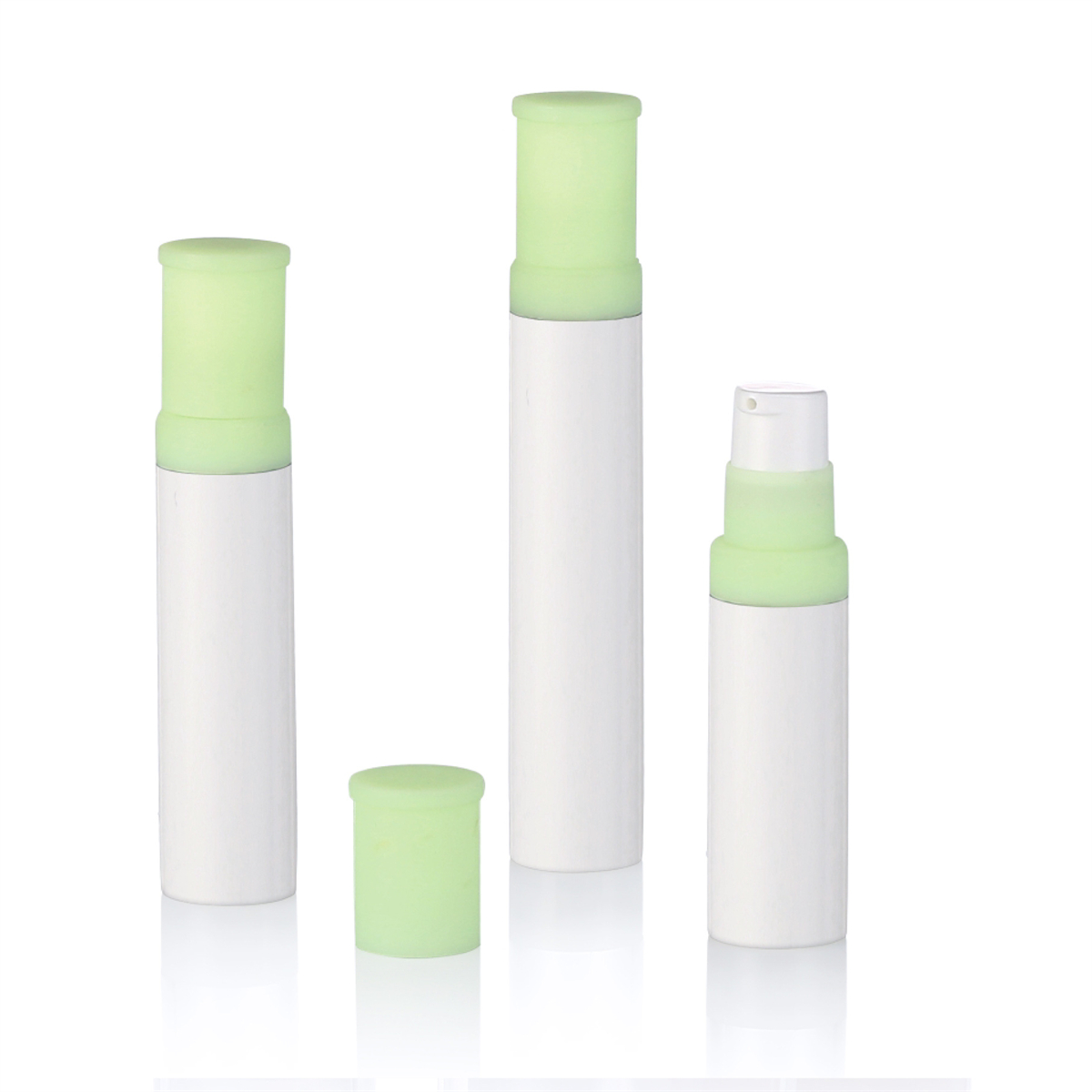
.jpg "15ml 20ml 30ml 50ml Frosted Desktop Airless Bottle PP Emulsion Bottle Spray Fine Mist Table Bottle L13")